Chilean Foreign Minister Engages in Trade Talks with India
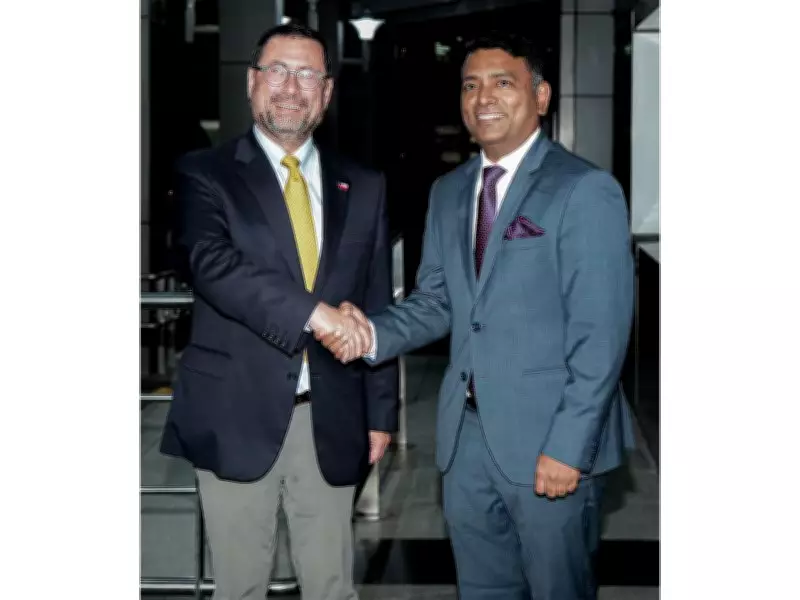
Chilean Foreign Minister Alberto van Klaveren met with India's Commerce and Industry Minister Piyush Goyal in New Delhi on Tuesday to discuss ways to enhance bilateral trade and economic cooperation. The meeting was part of ongoing efforts to strengthen ties between the two nations.
Key Areas of Discussion
During the talks, both ministers emphasized the importance of expanding trade volumes and diversifying the basket of goods exchanged. They explored opportunities in sectors such as mining, agriculture, pharmaceuticals, and information technology. India and Chile have traditionally enjoyed cordial relations, and this meeting aimed to build on that foundation.
Minister van Klaveren highlighted Chile's interest in increasing exports of copper, lithium, and agricultural products to India. In return, India seeks greater market access for its pharmaceuticals, textiles, and engineering goods. Both sides agreed to work towards removing non-tariff barriers and facilitating smoother trade procedures.

Strategic Partnership and Future Prospects
The discussions also touched upon the potential for a Comprehensive Economic Partnership Agreement (CEPA) between India and Chile. Such an agreement would further liberalize trade and investment flows. The ministers expressed optimism about finalizing the pact in the near future, which could significantly boost bilateral trade, currently valued at around $3 billion.
Additionally, the meeting covered cooperation in renewable energy, space technology, and tourism. Chile invited Indian companies to invest in its renewable energy projects, particularly in solar and wind power. Both nations also agreed to enhance people-to-people contacts through cultural exchanges and educational collaborations.
Commitment to Multilateral Forums
Minister van Klaveren and Minister Goyal reaffirmed their commitment to working together in multilateral forums such as the World Trade Organization (WTO) and the United Nations. They discussed shared interests in climate change mitigation, sustainable development, and global trade reforms.
The meeting concluded with a joint statement expressing satisfaction with the current state of bilateral relations and a shared vision for a stronger economic partnership. Both ministers agreed to hold follow-up meetings to monitor progress on the discussed initiatives.