

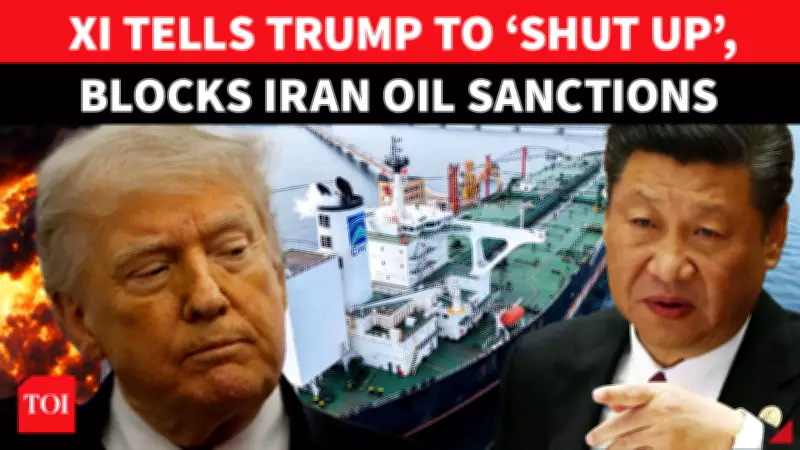
China has firmly resisted American pressure by taking steps to block sanctions imposed on its refiners accused of purchasing Iranian oil. The Chinese Commerce Ministry labeled the measures as 'illegal' and contrary to international norms, issuing a court order to protect key companies from Washington's crackdown. This action highlights the widening rift between the world's two largest economies as the dispute over Iran's oil trade intensifies.
Growing Rift Between Economic Superpowers
The standoff raises critical questions about control over global energy flows and whether America's coercive tactics are losing their effectiveness. Chinese 'teapot' refineries, which are smaller independent processors, are facing significant strain under the tightening US sanctions. Beijing's move signals a determined stance against what it perceives as overreach by the Trump administration.
Implications for Global Energy Markets
With this injunction, China aims to insulate its domestic oil industry from external pressures, potentially reshaping the dynamics of international oil trade. The confrontation underscores the challenges of enforcing unilateral sanctions when major economies refuse to comply. As both nations dig in, the global energy landscape may see shifts in supply chains and pricing mechanisms.

Analysts suggest that this defiance could embolden other nations to resist US sanctions, weakening Washington's ability to isolate Iran economically. The coming weeks will be crucial in determining whether diplomatic channels can ease tensions or if further escalations are imminent.






