

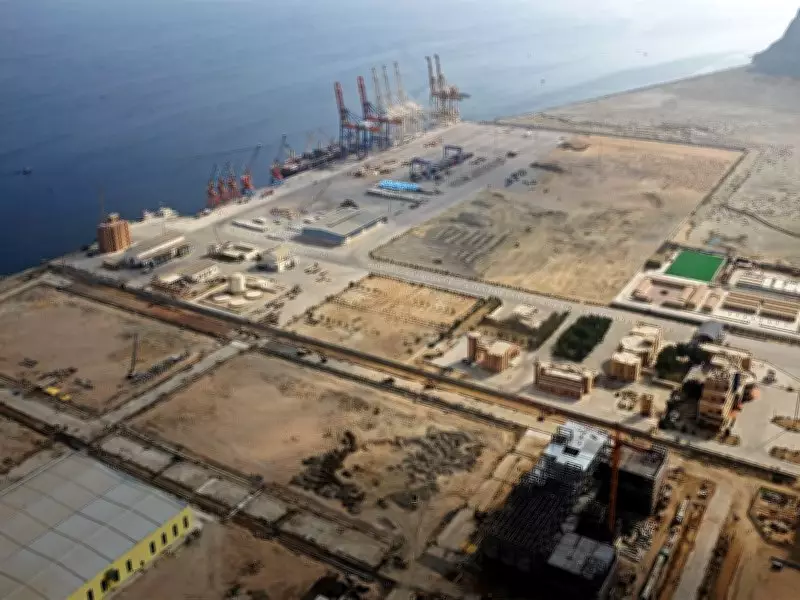
A Chinese company has permanently closed its manufacturing facility in Gwadar, a key port city in Pakistan's Balochistan province, and laid off a significant number of its workforce, citing mounting financial losses. The shutdown marks a setback for the China-Pakistan Economic Corridor (CPEC), a flagship project of Beijing's Belt and Road Initiative.
Reasons for Closure
The company, which operated a plant producing construction materials, attributed the closure to persistent operational losses exacerbated by rising energy costs, logistical challenges, and a slowdown in local demand. Sources indicated that the firm had been struggling to maintain profitability since its inception, with cumulative losses exceeding several million dollars.
According to officials, the plant's closure resulted in the termination of over 300 direct jobs, with indirect employment in supply chains and services also affected. Workers were given severance packages, but many expressed frustration over the sudden loss of livelihood in a region already grappling with high unemployment.

Impact on Local Economy
Gwadar, envisioned as a regional trade and logistics hub under CPEC, has seen limited industrial development. The plant's shutdown deals a blow to efforts aimed at creating sustainable employment and economic diversification in Balochistan, Pakistan's largest but least developed province. Local businesses that relied on the plant for contracts and supplies now face an uncertain future.
Analysts note that the closure highlights broader challenges facing CPEC projects, including security concerns, governance issues, and the difficulty of attracting private investment beyond infrastructure development. While Chinese and Pakistani officials have downplayed the significance of the shutdown, it underscores the risks associated with large-scale economic corridors.
Government Response
The Pakistani government has expressed regret over the closure but reaffirmed its commitment to CPEC. Officials stated that they are in talks with other Chinese investors to fill the gap and are working to improve the business environment in Gwadar. However, no concrete timeline for new investments has been announced.
The Chinese company's decision to exit the Pakistani market reflects a cautious approach by some Chinese firms amid global economic uncertainties and domestic pressures. It remains to be seen how this development will influence future Chinese investment in Pakistan, particularly in industrial zones linked to CPEC.






