

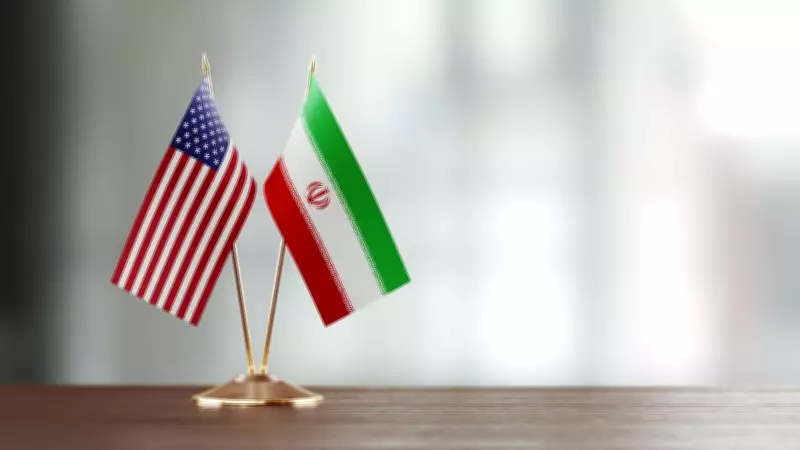
Details Emerge of Potential Iran Deal as US Reports Progress
As the United States asserts that substantial progress has been made in talks with Iran, new details are emerging about a potential agreement aimed at curbing Tehran's nuclear program. The negotiations, which have been ongoing for months, have seen both sides reportedly moving closer to a compromise that could see a reduction in sanctions in exchange for verifiable limits on Iran's nuclear activities.
According to sources familiar with the discussions, the emerging deal includes key provisions that would require Iran to roll back its enrichment of uranium to levels acceptable under international norms. In return, the US and other world powers would provide significant sanctions relief, unlocking billions of dollars in frozen assets and allowing Iran to rejoin the global financial system.
Key Elements of the Proposed Agreement
While the full text of any potential agreement remains confidential, several critical components have been outlined by diplomats and officials. These include:

- Uranium Enrichment Limits: Iran would be restricted to enriching uranium to a purity of 3.67%, consistent with the 2015 Joint Comprehensive Plan of Action (JCPOA).
- Stockpile Reduction: Tehran would be required to reduce its stockpile of enriched uranium to below 300 kilograms.
- International Inspections: Enhanced monitoring by the International Atomic Energy Agency (IAEA) would ensure compliance, with inspectors granted access to undeclared sites.
- Sanctions Relief: The US would lift sanctions on Iran's oil exports, banking, and other key sectors, though some restrictions related to terrorism and human rights would remain.
Challenges and Skepticism
Despite the reported progress, significant hurdles remain. Hardliners in both Tehran and Washington have expressed opposition to the deal. In Iran, Supreme Leader Ayatollah Ali Khamenei has historically been wary of concessions, while in the US, Republican lawmakers have criticized the Biden administration for what they see as a weak negotiating stance.
Additionally, regional powers such as Israel and Saudi Arabia have voiced concerns that any agreement may not be robust enough to prevent Iran from eventually developing nuclear weapons. Israeli Prime Minister Naftali Bennett has stated that Israel is not bound by any deal and will take necessary actions to defend itself.
Next Steps
With the talks entering a critical phase, diplomats are working to finalize the text of the agreement. The US Special Envoy for Iran, Robert Malley, has indicated that a deal could be reached within weeks if both sides show flexibility. However, he cautioned that time is running out as Iran's nuclear program continues to advance.
The potential deal marks a significant shift from the Trump administration's maximum pressure campaign, which aimed to cripple Iran's economy through sanctions. The Biden administration has pursued a diplomatic path, arguing that a negotiated agreement is the best way to ensure that Iran's nuclear program remains peaceful.
As the world watches closely, the outcome of these negotiations could have far-reaching implications for global security, energy markets, and the balance of power in the Middle East.






