

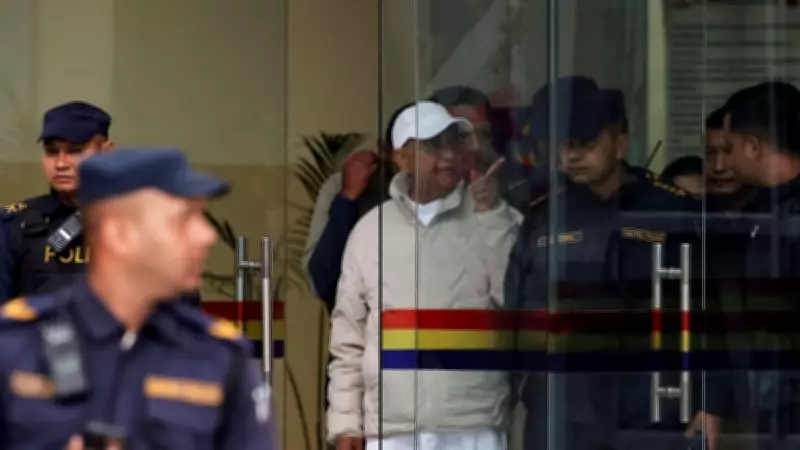
Nepal's Former Prime Minister KP Sharma Oli Arrested Over Protest Deaths
In a dramatic political development, Nepal's former Prime Minister KP Sharma Oli has been arrested by authorities. The arrest is linked to his alleged involvement in deaths that occurred during recent Gen Z-led protests across the country. This move has sent shockwaves through Nepal's political landscape, raising questions about accountability and justice.
Details of the Arrest and Charges
The arrest was carried out by Nepalese law enforcement agencies following an investigation into the protests that erupted earlier this year. According to official sources, Oli is accused of overseeing actions that led to fatalities among demonstrators. The protests, primarily driven by young activists from the Gen Z demographic, were focused on issues such as governance reforms and economic policies.
Authorities have stated that the charges against Oli include negligence and potential misuse of power during his tenure. The investigation reportedly gathered evidence linking his administration's decisions to the violent clashes that resulted in multiple deaths. This arrest underscores the growing scrutiny on political leaders in Nepal regarding human rights and public safety.

Background on the Gen Z Protests
The protests in question were part of a larger wave of youth-led movements in Nepal, characterized by:
- Demands for political transparency and anti-corruption measures.
- Calls for economic opportunities and job creation for young people.
- Protests against perceived government inaction on key social issues.
These demonstrations gained momentum in recent months, drawing participants from various sectors of society. The involvement of Gen Z activists highlighted a shift towards more vocal and organized civil dissent in the country. Unfortunately, some protests turned violent, leading to casualties that have now become the focus of legal action.
Political Implications and Reactions
Oli's arrest is expected to have significant repercussions for Nepal's political dynamics. As a prominent figure and former head of government, his detention could influence upcoming elections and party alignments. Political analysts suggest that this event may lead to:
- Increased calls for accountability among other political leaders.
- Potential unrest or support rallies from Oli's supporters.
- Reevaluation of protest management policies by the current administration.
Reactions from political parties have been mixed, with some praising the arrest as a step towards justice, while others criticize it as politically motivated. International observers are closely monitoring the situation, given Nepal's strategic importance in South Asia.
Legal Proceedings and Next Steps
The legal process is now underway, with Oli expected to face formal charges in court. Authorities have emphasized that the investigation is ongoing and may involve other officials from his administration. The case is likely to be closely watched as a test of Nepal's judicial independence and commitment to rule of law.
In summary, the arrest of former Prime Minister KP Sharma Oli over deaths during Gen Z protests marks a pivotal moment in Nepal's recent history. It highlights the tensions between youth activism and political authority, while raising broader questions about governance and human rights in the region.






