Once known internationally for conflict and instability, the Valley is increasingly being projected as a region of opportunity, recovery and economic transformation under a changing governance and development landscape. With its breathtaking landscapes and a renewed focus on healthcare infrastructure, Kashmir is now eyeing a new avenue: medical tourism.
The Shift from Conflict to Care
For decades, Kashmir's global image was marred by political unrest and violence. However, recent efforts by the local administration and central government have aimed to rebrand the region as a hub for wellness and medical treatment. The strategy leverages the region's natural beauty, which has long attracted tourists, and combines it with modern medical facilities to draw patients from across India and abroad.
Why Medical Tourism?
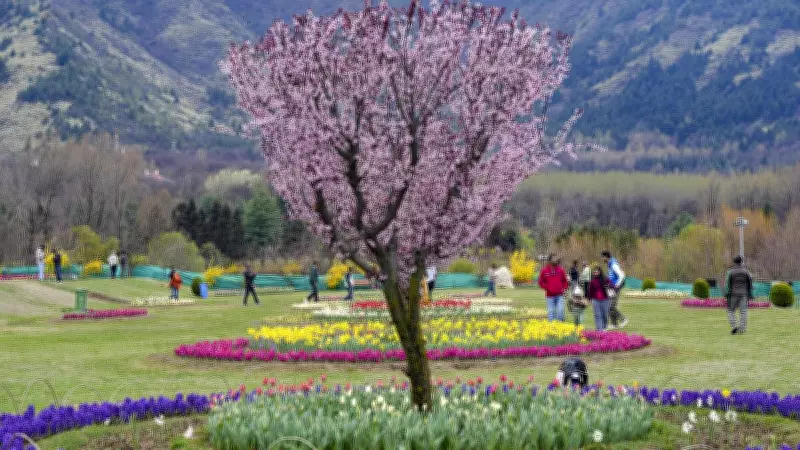
Medical tourism is a rapidly growing industry worldwide, with patients seeking affordable yet high-quality healthcare in destinations that also offer a pleasant recovery environment. Kashmir, with its cool climate, serene lakes, and lush gardens, provides an ideal setting for recuperation. Moreover, the cost of treatment in Kashmir is significantly lower than in major metropolitan cities like Delhi or Mumbai, making it an attractive option for patients from the Middle East, South Asia, and beyond.

Infrastructure and Investment
The government has been actively investing in healthcare infrastructure. New hospitals and specialty clinics are being set up, equipped with state-of-the-art technology. Partnerships with renowned medical institutions are being forged to ensure that the quality of care meets international standards. For instance, the establishment of super-specialty hospitals in Srinagar and other districts aims to offer treatments ranging from cardiology and oncology to orthopedics and organ transplants.
Challenges to Overcome
Despite the potential, several challenges remain. The region's connectivity, both by air and road, needs improvement to handle an influx of medical tourists. Additionally, the perception of instability, though changing, still lingers in the minds of potential visitors. Ensuring a consistent supply of skilled medical professionals and maintaining high-quality standards are also critical. The government must work to streamline visa processes and provide a secure environment for international patients.
Economic and Social Impact
If successful, medical tourism could bring substantial economic benefits. It would create jobs not only in healthcare but also in hospitality, transportation, and ancillary services. Local businesses, from hotels to handicraft shops, would see increased revenue. Moreover, it would help in building a positive image of Kashmir as a land of healing and peace, rather than conflict.
Conclusion
Kashmir's journey from a conflict zone to a medical tourism hub is ambitious but plausible. With strategic investments, effective marketing, and a focus on quality and safety, the Valley can indeed emerge as a preferred destination for medical tourists. The transformation would not only boost the economy but also change the narrative around the region, showcasing it as a place of hope and recovery.