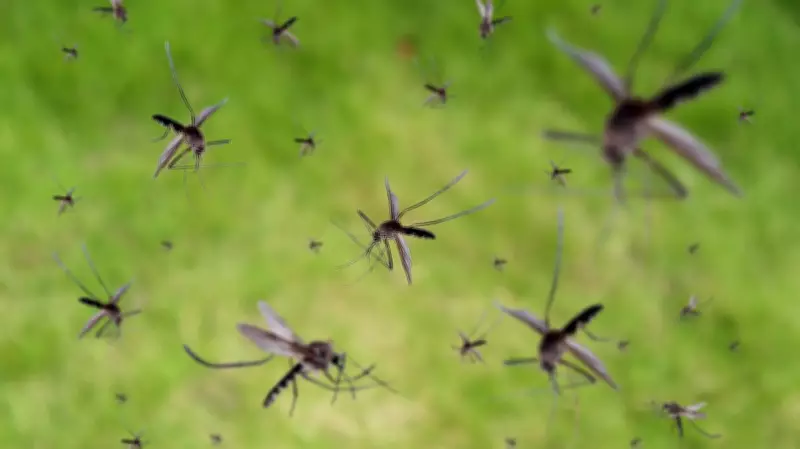
Reports suggest that Google is set to release millions of mosquitoes into specific zones in California and Florida. This initiative aims to target areas that have witnessed higher rates of disease transmission. The insects are planned to be released in a few zones that have seen a surge in illnesses spread by mosquitoes.
Why Is Google Releasing Mosquitoes?
The primary goal of this project is to reduce the population of disease-carrying mosquitoes. By releasing sterile male mosquitoes, the company hopes to curb the breeding cycle and lower the risk of diseases such as dengue, Zika, and West Nile virus.
How Does the Sterile Insect Technique Work?
Google's approach involves breeding male mosquitoes in a laboratory and infecting them with a naturally occurring bacterium called Wolbachia. When these sterile males mate with wild females, the resulting eggs do not hatch, leading to a decline in the mosquito population over time.

Target Areas for Release
The release will focus on regions in California and Florida that have experienced high rates of mosquito-borne diseases. These areas have been identified through surveillance data showing elevated transmission levels.
Environmental and Health Considerations
Google has emphasized that the released mosquitoes are not genetically modified and pose no threat to humans or the environment. The company has conducted extensive research and consulted with local health authorities to ensure the safety and effectiveness of the program.
This initiative is part of a broader effort by tech companies to use innovative solutions for public health challenges. If successful, it could pave the way for similar programs in other regions affected by mosquito-borne diseases.