

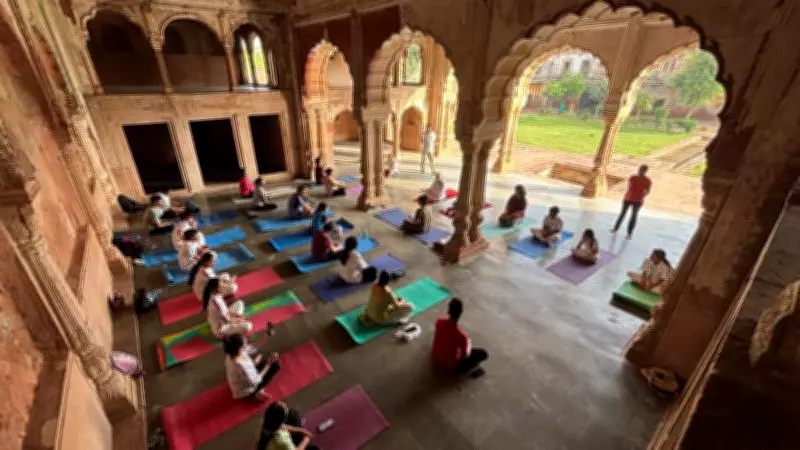
The Haryana Archaeology Department has launched a new initiative to bring attention to lesser-known heritage sites across the state. This effort aims to promote tourism and ensure the preservation of Haryana's rich cultural history. By highlighting these hidden gems, the department hopes to attract visitors and researchers alike, boosting local economies and fostering a deeper appreciation for the region's past.
Uncovering Hidden Treasures
Among the sites being spotlighted are ancient mounds, stepwells, and medieval forts that have long been overshadowed by more famous landmarks. The department has begun documenting these sites with detailed descriptions, photographs, and historical contexts, making them accessible to the public through online platforms and informational brochures.
Key Sites Included
- Bhima Devi Temple Complex in Pinjore: An 11th-century temple with intricate carvings.
- Rakhigarhi: One of the largest Indus Valley Civilization sites, still largely unexplored.
- Firoz Shah Palace Complex in Hisar: A medieval structure with stunning architecture.
The department is also organizing guided tours and heritage walks to these sites, led by trained archaeologists who provide in-depth knowledge about their historical significance. These tours have already seen a positive response from locals and tourists.

Preservation and Promotion
In addition to promotion, the department is undertaking conservation efforts to protect these sites from decay and vandalism. This includes structural repairs, landscaping, and the installation of security measures. Community involvement is being encouraged through awareness campaigns and volunteer programs.
The initiative is part of a broader strategy to diversify tourism in Haryana, which is often associated only with the city of Chandigarh and the Kurukshetra pilgrimage sites. By showcasing its lesser-known heritage, the state hopes to attract history enthusiasts and cultural tourists from India and abroad.
An official from the department stated, "Our goal is to create a sustainable tourism model that respects and preserves our heritage while providing economic benefits to local communities. We believe that every site has a story to tell, and we want to give these stories the platform they deserve."
The department plans to expand the initiative to include more sites in the coming months, with a focus on those that are currently at risk of being forgotten. Digital mapping and virtual tours are also being considered to reach a wider audience.






