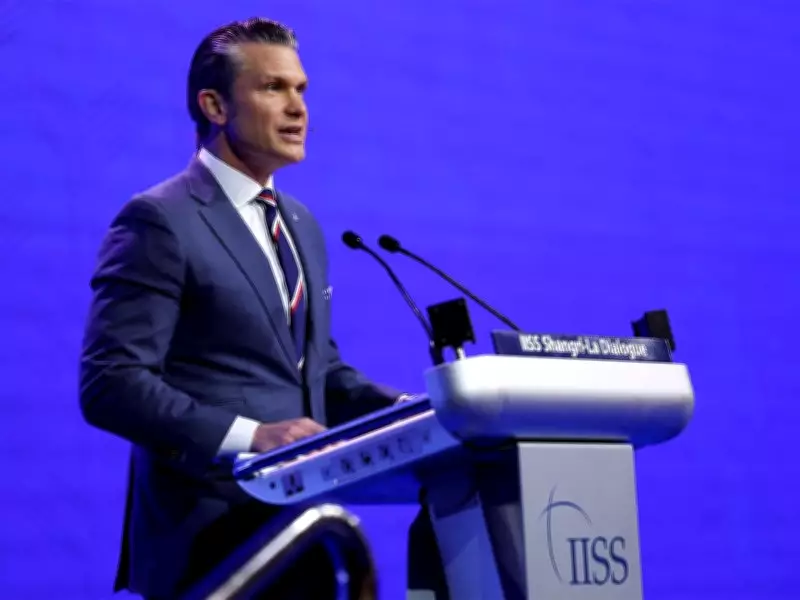
Pete Hegseth, a prominent conservative commentator and potential candidate for high office, has declared that the era of the United States subsidizing wealthy nations is over, while simultaneously reaffirming the country's commitment to the Indo-Pacific region. This statement marks a significant shift in the discourse surrounding US foreign policy and defense spending.
End of Subsidies for Wealthy Nations
In a recent speech, Hegseth argued that the United States can no longer afford to bear the burden of defending wealthy allies who are capable of contributing more to their own security. He emphasized that countries in Europe and other regions must step up their defense spending to ensure collective security. This stance aligns with previous calls by US leaders for NATO members to meet the 2% GDP defense spending target.
Reaffirmation of Indo-Pacific Commitment
Despite the shift in policy towards wealthy nations, Hegseth firmly reiterated the US commitment to the Indo-Pacific region. He highlighted the strategic importance of the area, particularly in countering China's growing influence. Hegseth stressed that the US will maintain a strong military presence and strengthen alliances with key partners such as Japan, South Korea, Australia, and India.

Implications for Global Alliances
This dual message signals a potential recalibration of US foreign policy under future leadership. While the US may reduce its financial contributions to wealthy allies, it remains committed to regions where geopolitical competition is most intense. This approach could lead to increased pressure on European nations to bolster their defense budgets, while reinforcing US engagement in Asia.
Reactions and Analysis
Reactions to Hegseth's statements have been mixed. Some analysts view this as a pragmatic approach to reallocating resources, while others express concern that it might strain traditional alliances. However, the reaffirmation of the Indo-Pacific commitment has been welcomed by allies in the region, who see it as a signal of continued US leadership.
In conclusion, Hegseth's remarks represent a clear departure from past policies of subsidizing wealthy nations, yet underscore the enduring strategic focus on the Indo-Pacific. This could reshape the dynamics of global security arrangements in the years to come.