

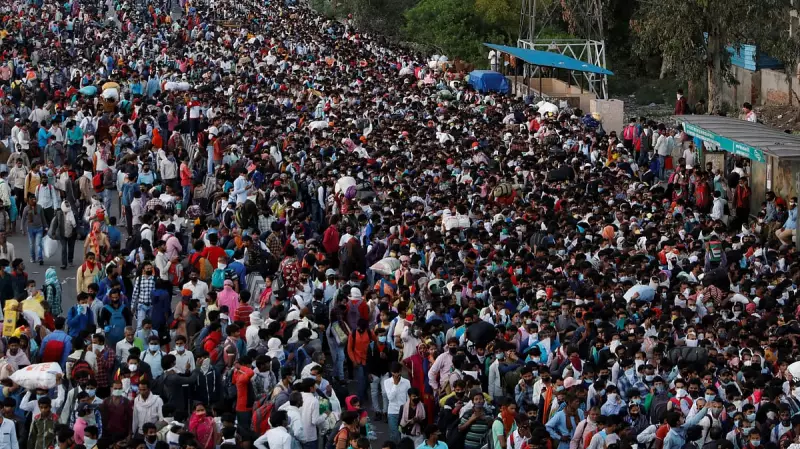
India Emerges as Second Most Congested Country in Asia According to Comprehensive Study
A detailed analysis of urban mobility patterns across Asia has positioned India as the second most congested country in the continent, highlighting significant challenges in traffic management and infrastructure development. The study, which examined congestion levels in numerous cities, provides critical insights into the escalating traffic woes affecting millions of commuters daily.
Delhi's Traffic Congestion: A Closer Look at the Rankings
Among Indian cities, Delhi has been identified as the fourth most congested urban center nationwide, with a congestion level recorded at 55.4 percent last year. This figure represents a notable increase of 1.7 percent compared to the previous year, 2024, indicating a worsening traffic situation in the national capital. The data underscores the persistent struggles faced by residents and authorities in managing the city's dense vehicular flow.
Comparative Analysis with Other Metro Cities in India
When specifically evaluating metro cities across India, Delhi secures the third position in terms of congestion severity. This ranking places it behind only two other major metropolitan areas, reflecting the intense pressure on Delhi's road networks and transportation systems. The study's findings suggest that despite various initiatives aimed at improving public transit and reducing traffic, congestion continues to rise, impacting economic productivity and quality of life.

Implications of Rising Congestion Levels
The increase in congestion levels, as evidenced by the 1.7 percent rise in Delhi from 2024 to the study year, points to broader issues such as:
- Inadequate road infrastructure relative to population growth
- High vehicle ownership rates without corresponding public transport expansion
- Inefficient traffic management and enforcement mechanisms
- Environmental concerns, including increased air pollution from idling vehicles
These factors collectively contribute to the challenging urban mobility landscape in India, necessitating urgent policy interventions and sustainable planning.
Regional Context: Asia's Traffic Congestion Landscape
India's ranking as the second most congested country in Asia places it in a critical regional context, where rapid urbanization and economic growth often outpace infrastructure development. The study highlights how other Asian nations are grappling with similar issues, but India's scale and pace of urban expansion present unique hurdles. Understanding this broader perspective is essential for developing effective, long-term solutions to alleviate congestion and enhance transportation efficiency.
In summary, the study serves as a stark reminder of the urgent need for comprehensive strategies to address traffic congestion in India, with a particular focus on metropolitan hubs like Delhi. By leveraging data-driven insights and fostering collaborative efforts between government bodies and urban planners, there is potential to mitigate these challenges and pave the way for smoother, more sustainable urban mobility across the country.






