India and Indonesia Sign Landmark Missile Deal
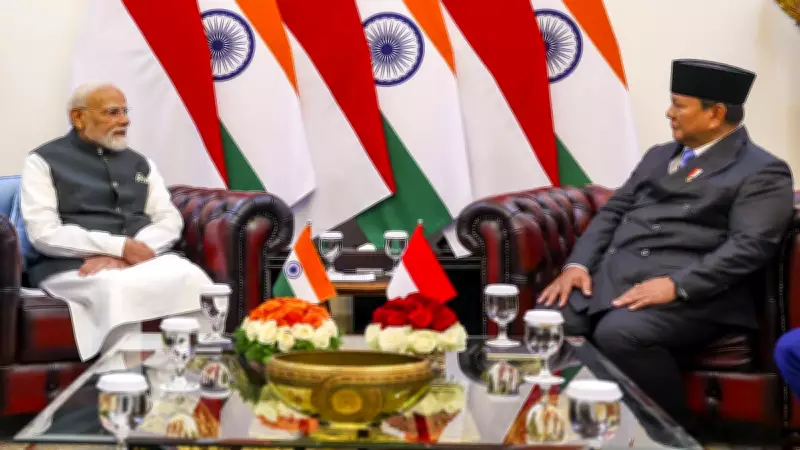
India has agreed to supply BrahMos supersonic cruise missiles and Astra beyond-visual-range (BVR) air-to-air missiles to Indonesia, according to defense officials. The deal, valued at over $200 million, was finalized during high-level talks between the two countries. This marks the first export of the Astra missile and a significant expansion of BrahMos sales beyond the Philippines.
Details of the Agreement
The contract includes an initial batch of BrahMos missiles for coastal defense and Astra missiles for Indonesia's Su-30 and possibly KF-21 fighter jets. Deliveries are expected to begin in 2027. The agreement also covers training, maintenance, and technology transfer for joint production of some components. Indonesian Defense Minister Prabowo Subianto confirmed the deal, stating, "This cooperation strengthens our strategic partnership and enhances our defense capabilities."
Impact on India's Self-Reliance Push
The deal underscores India's growing defense manufacturing ecosystem under the Make in India initiative. According to the Ministry of Defence, India's defense exports have risen from ₹1,942 crore in 2016-17 to over ₹21,000 crore in 2024-25. The BrahMos missile, developed jointly with Russia, has a range of 290-500 km and can be launched from ships, submarines, aircraft, or land platforms. The Astra missile, with a range of 110 km, is entirely indigenous and has been integrated with Indian Air Force fighters.

Strategic Implications
Indonesia is the second country to purchase BrahMos after the Philippines, which signed a $375 million deal in 2022. The export to Indonesia is seen as a diplomatic win for India in the Indo-Pacific region, countering Chinese influence. A senior Indian official noted, "This deal opens doors for more defense partnerships with Southeast Asian nations." Both BrahMos and Astra are expected to see further orders from Vietnam and Malaysia.
Challenges and Future Prospects
While the deal boosts India's defense exports, it also faces challenges such as ensuring timely delivery and maintaining quality control. The joint production component requires technology transfer protocols, which are still being negotiated. However, the agreement is projected to create over 5,000 jobs in India's defense sector and reduce import dependency. India aims to achieve defense export targets of ₹35,000 crore by 2026.