

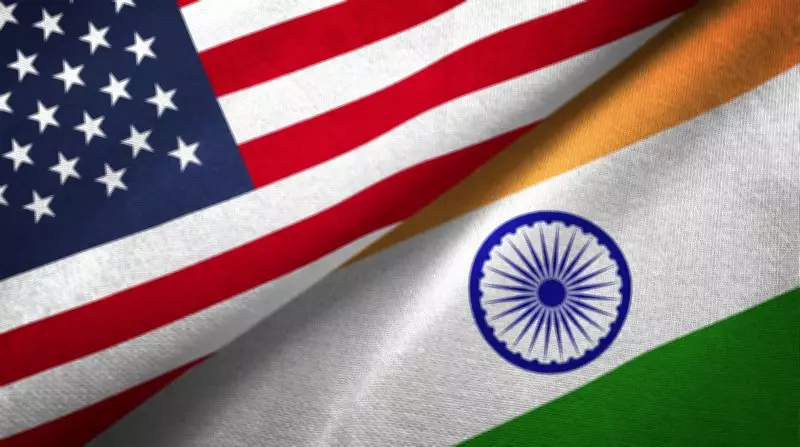
India and the United States have signed a landmark agreement to collaborate on critical minerals, a move aimed at reducing their dependence on China for supplies of these essential resources. The deal was announced during a meeting between Indian Prime Minister Narendra Modi and US President Joe Biden on the sidelines of the Quad summit in Tokyo.
Strategic Importance of Critical Minerals
Critical minerals such as lithium, cobalt, and rare earth elements are vital for manufacturing batteries, electronics, and defense equipment. Currently, China dominates the global supply chain for these minerals, raising concerns about supply security and geopolitical leverage. The India-US partnership seeks to diversify sources and build resilient supply chains.
Key Aspects of the Agreement
The agreement includes joint investment in mineral exploration, processing, and recycling technologies. Both nations will also collaborate on research and development to reduce the environmental impact of mining and processing. Additionally, they plan to work with other like-minded countries to create alternative supply networks.

Implications for Clean Energy and Defense
This deal is expected to accelerate the adoption of electric vehicles and renewable energy technologies in both countries. It also strengthens defense cooperation by ensuring access to materials needed for advanced military systems. The partnership aligns with the US-led Minerals Security Partnership, which aims to secure supply chains for critical minerals.
Experts believe that this collaboration could reshape global trade dynamics and reduce China's stranglehold on critical mineral markets. However, challenges remain, including high costs and environmental concerns associated with mining. The success of the deal will depend on effective implementation and sustained political will.
Overall, the India-US critical minerals deal marks a significant step toward strategic autonomy in key sectors and underscores the growing convergence of interests between the two democracies in the Indo-Pacific region.






