

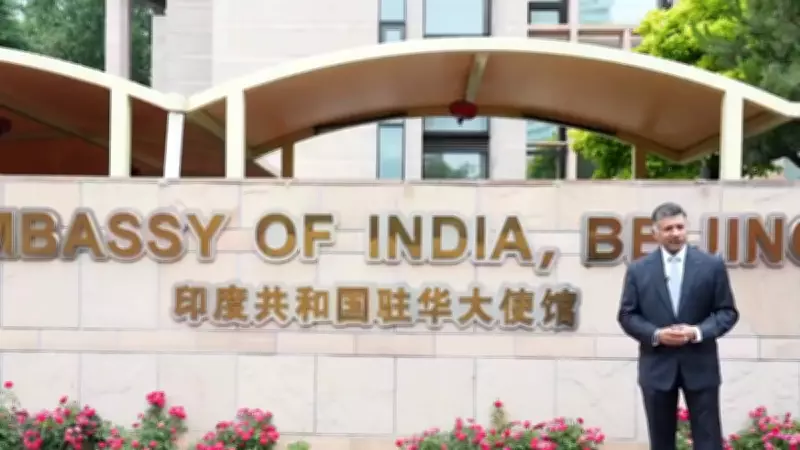
In a remarkable display of cultural diplomacy, an Indian envoy's video tour of the Indian Embassy in Beijing, delivered in fluent Mandarin, has gone viral across Chinese social media platforms. The video, which showcases the embassy's architecture and cultural artifacts, has been widely praised for its linguistic proficiency and diplomatic warmth.
A Bridge of Languages
The envoy, identified as a senior diplomat at the Indian mission, takes viewers on a detailed walkthrough of the embassy premises, explaining the significance of various artworks and design elements in Mandarin. The video, originally posted on the embassy's official social media account, quickly gained traction, amassing millions of views and thousands of positive comments from Chinese netizens.
Cultural Exchange in Action
Many viewers expressed admiration for the envoy's Mandarin skills, noting that such efforts foster mutual understanding between the two nations. The video also highlights the shared cultural heritage of India and China, with references to historical ties and exchanges. Analysts believe this gesture could help ease recent diplomatic tensions and promote people-to-people connections.

Social Media Impact
The video's virality underscores the power of social media in bridging gaps between countries. Chinese users flooded the comments section with praise, calling the envoy a 'true friend of China' and expressing hope for more such initiatives. The Indian embassy has since released a statement thanking the public for the overwhelming response and reaffirming its commitment to enhancing bilateral relations.
Diplomatic Significance
This incident comes at a time when India-China relations have faced challenges over border disputes and trade imbalances. However, cultural exchanges like this video tour serve as a reminder of the common ground that exists between the two ancient civilizations. Experts suggest that such grassroots diplomacy can complement official talks and build goodwill among ordinary citizens.
The envoy's effort has been lauded by both Indian and Chinese media, with many calling it a 'masterclass in public diplomacy.' As the video continues to circulate, it stands as a testament to the soft power of language and cultural appreciation in international relations.






