

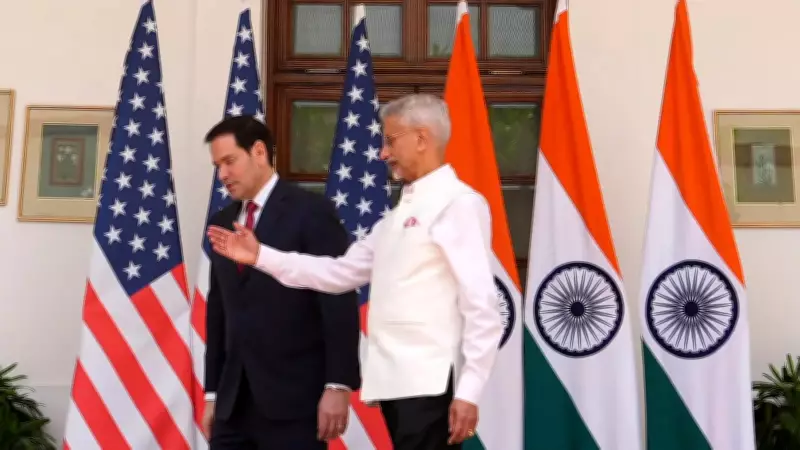
India has reiterated its commitment to forging stronger global partnerships, signaling a proactive stance in international diplomacy. The country's foreign policy framework emphasizes readiness to engage with nations across the world, fostering cooperation in trade, security, and technology.
Strategic Alignment in a Multipolar World
In an era of shifting geopolitical dynamics, India positions itself as a reliable partner. The government has outlined priorities that include deepening ties with major powers while expanding engagements in the Global South. This approach aims to balance strategic autonomy with collaborative growth.
Key areas of focus include enhancing maritime security in the Indo-Pacific, strengthening counter-terrorism efforts, and promoting sustainable development. India's diplomatic outreach also targets increased participation in multilateral forums such as the United Nations and the G20.

Economic Diplomacy and Trade
Economic partnerships remain central to India's foreign policy. The country seeks to expand trade corridors, attract foreign investment, and facilitate technology transfers. Recent bilateral agreements have focused on supply chain resilience and digital cooperation.
India's trade strategy includes negotiating comprehensive economic partnerships with regions like the European Union and ASEAN. These initiatives are designed to boost exports and create jobs, aligning with the government's 'Make in India' vision.
Defense and Security Cooperation
Defense partnerships are being strengthened through joint exercises, intelligence sharing, and co-development of military hardware. India has enhanced cooperation with the United States, France, and other allies to address shared security challenges.
Cybersecurity and space security have emerged as new domains of collaboration. India advocates for rules-based order in outer space and cyberspace, promoting norms against weaponization.
Regional Focus and Global Reach
India's 'Neighborhood First' policy prioritizes relations with South Asian neighbors, including initiatives for connectivity and energy cooperation. Simultaneously, the country is expanding its footprint in Africa, Latin America, and the Pacific Islands.
Cultural diplomacy and diaspora engagement are also key components. India leverages its soft power through yoga, Ayurveda, and film industries to build people-to-people ties.
Looking ahead, India aims to play a pivotal role in shaping global governance reforms, particularly in the United Nations Security Council. The message is clear: India is ready to partner with the world for mutual prosperity and peace.






