

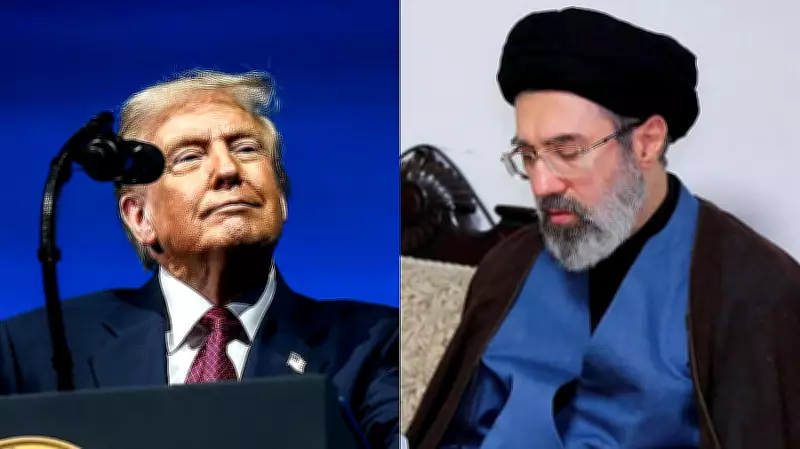
The United States and Iran find themselves in an uneasy state of 'no war, no peace' following a ceasefire that ended weeks of US-Israeli bombardment earlier this month. The halting efforts to restart ceasefire talks, brokered by Pakistan, reflect the deep strategic ambiguity that now defines bilateral relations.
Ceasefire and Stalemate
The ceasefire, which took effect on April 10, 2026, halted direct military strikes but left unresolved the core issues that sparked the conflict. Both sides have since engaged in a war of words, with each accusing the other of violating the truce. The United States insists on Iran's complete denuclearization, while Tehran demands the lifting of all sanctions and a guarantee of non-aggression.
Pakistan's Mediation Role
Pakistan, which played a key role in brokering the ceasefire, has been attempting to restart formal negotiations. However, talks have stalled due to disagreements over the agenda and the inclusion of regional proxies. Iranian officials have expressed skepticism about US intentions, while Washington views Tehran's reluctance as a sign of bad faith.

Regional and Global Implications
The limbo has broader consequences for the Middle East and global energy markets. Oil prices remain volatile as traders price in the risk of renewed hostilities. Gulf states, particularly Saudi Arabia and the UAE, have urged restraint but are also preparing for potential escalation.
Analysts describe the current situation as a 'cold war' scenario, where both sides avoid direct confrontation but continue to exert pressure through proxies and economic warfare. The lack of a clear path to peace or war leaves the region in a precarious balance.
As of late April 2026, no date has been set for new talks. The international community watches warily, hoping that the awkward limbo does not collapse into open conflict once again.






