

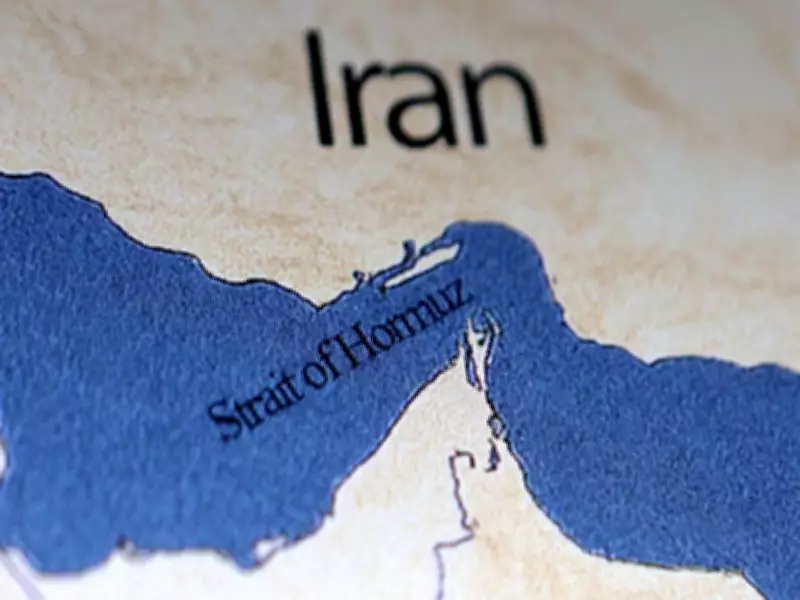
Iran's central bank has officially confirmed that toll revenues collected from vessels passing through the Strait of Hormuz are deposited in cash. This announcement comes amid heightened geopolitical tensions and increased international focus on the strategic waterway, which is a critical chokepoint for global oil shipments.
Details of the Confirmation
The confirmation was made by the Governor of the Central Bank of Iran, who stated that the revenues are received in physical currency and are being used to support the country's economy. The governor emphasized that the process is transparent and in accordance with international norms, despite the ongoing sanctions imposed on Iran.
Implications for Global Trade
The Strait of Hormuz is one of the world's most important oil transit routes, with about 20% of global oil consumption passing through it. The confirmation of cash deposits raises questions about the transparency of financial flows and potential evasion of sanctions. Analysts suggest that this practice could complicate efforts to monitor Iran's financial activities.

Iran has long asserted its right to levy tolls for the use of the strait, which it considers part of its territorial waters. However, international law generally recognizes the strait as an international waterway subject to freedom of navigation. The United States and other nations have previously challenged Iran's attempts to restrict passage.
Economic Context
The Iranian economy has been under severe strain due to U.S. sanctions, which have targeted its oil exports and banking sector. The toll revenues, while not a major source of income, provide a small but steady stream of hard currency. The central bank's confirmation is seen as an attempt to demonstrate financial resilience.
Iran has also been exploring alternative methods to bypass sanctions, including the use of cryptocurrencies and barter trade. The cash deposits from the strait may be part of a broader strategy to maintain liquidity in the face of financial isolation.
International Reactions
The international community has reacted cautiously to the announcement. Some experts have called for increased monitoring of the strait's toll collection to ensure compliance with international law. Others have expressed concern that the cash deposits could be used to fund activities that destabilize the region.
The United States has not yet issued an official response, but previous statements have indicated a willingness to enforce freedom of navigation in the strait. The U.S. Navy's Fifth Fleet is based in nearby Bahrain and regularly conducts patrols in the area.
Conclusion
The confirmation by Iran's central bank underscores the ongoing challenges in the Strait of Hormuz. As global attention remains focused on the region, the issue of toll revenues and their handling is likely to remain a point of contention. The situation highlights the complex interplay between international law, economic sanctions, and regional geopolitics.






