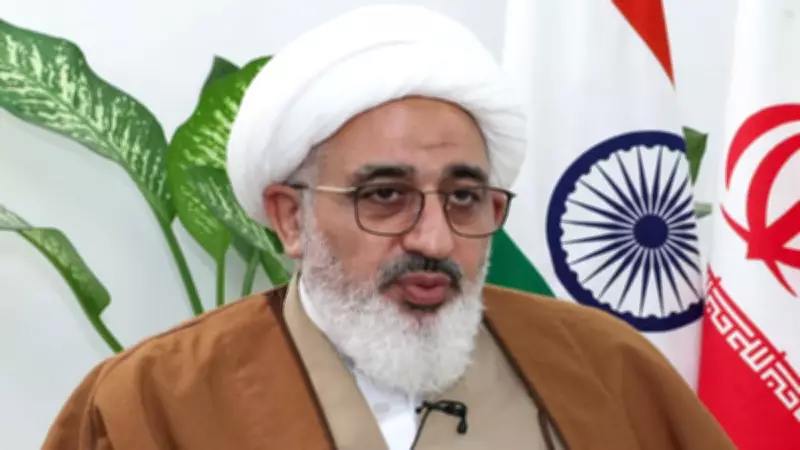
Iran's supreme leader envoy in India has stated that Iran did not want war but was compelled to respond amid ongoing attacks. The envoy emphasized that Iran's actions were defensive in nature, aimed at protecting its sovereignty and national security. The statement comes amid heightened tensions in the region, with Iran facing multiple attacks on its soil.
Envoy's Statement
The envoy, speaking in New Delhi, reiterated Iran's commitment to peace and stability in the region. He noted that Iran had exercised restraint but was left with no choice but to retaliate after repeated provocations. The envoy also highlighted Iran's willingness to engage in diplomatic dialogue to de-escalate the situation.
Context of Tensions
Recent weeks have seen a series of attacks on Iranian military and nuclear facilities, which Tehran attributes to external forces. Iran has accused Israel and the United States of orchestrating these attacks, though both have denied involvement. The envoy's remarks are seen as an attempt to clarify Iran's position to the international community, particularly to allies like India.

India's Role
India has maintained a neutral stance, calling for restraint and dialogue. The envoy's visit to India underscores the importance of bilateral ties and the need for regional stability. India shares strong economic and cultural ties with Iran, and any escalation in the region could impact energy prices and trade routes.
International Reactions
The international community has reacted cautiously to Iran's statements. The United Nations has urged both sides to avoid further escalation. Meanwhile, Iran's neighbors in the Gulf have expressed concern over the potential for a wider conflict. The envoy's comments are likely to be scrutinized as the situation develops.
In conclusion, Iran's envoy has made it clear that while Tehran did not seek war, it was compelled to respond to attacks. The focus now shifts to diplomatic efforts to prevent further escalation and ensure regional peace.