

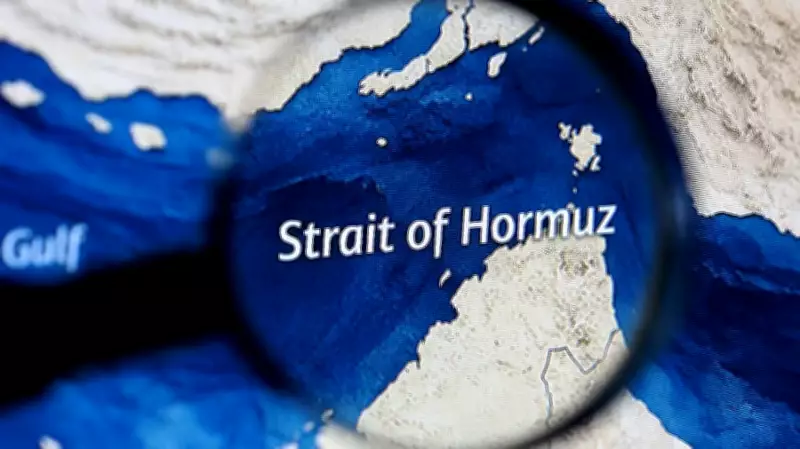
Iran has redefined the geographical scope of the Strait of Hormuz, expanding it far beyond its traditional boundaries, according to a senior Islamic Revolutionary Guard Corps (IRGC) Navy official. The announcement marks a significant shift in Tehran's maritime posture in one of the world's most critical oil transit chokepoints.
New Definition Announced
Deputy Political Director of the IRGC Navy, Akbarzadeh, stated on Tuesday that the previous understanding of the strait was limited to a narrow area surrounding islands such as Hormuz and Hengam. “In the past, the Strait of Hormuz was defined as a limited area around islands such as Hormuz and Hengam, but today this view has changed,” Akbarzadeh said, as reported by Reuters.
Implications for Regional Security
The redefinition could have far-reaching implications for international shipping and regional security. The Strait of Hormuz, located between Oman and Iran, is a vital waterway through which about 20% of the world's oil passes. By expanding its claimed jurisdiction, Iran may seek to exert greater control over maritime traffic and enhance its strategic leverage.

Akbarzadeh did not provide specific coordinates or the exact new boundaries of the strait. However, analysts suggest that the move could lead to increased tensions with the United States and Gulf Arab states, which have long contested Iran's maritime claims. The IRGC has previously threatened to block the strait in response to sanctions or military pressure.
Historical Context
The Strait of Hormuz has been a flashpoint in Iran-West relations for decades. Under international law, the strait is considered an international waterway, with transit passage rights for all vessels. Iran's expanded definition may challenge these norms and provoke legal disputes.
This development comes amid heightened regional instability, including ongoing conflicts in Gaza and Yemen, as well as Iran's advancing nuclear program. The IRGC, a powerful military and political force in Iran, often takes a hardline stance on maritime issues.
Reactions and Next Steps
International maritime organizations and affected nations are likely to monitor the situation closely. The United States Fifth Fleet, based in Bahrain, has not yet commented. Shipping companies may need to reassess risk assessments for transits through the region.
Iran's move could also be a negotiating tactic ahead of potential talks over its nuclear program or sanctions relief. By expanding the strait's definition, Tehran may aim to create new bargaining chips or test the resolve of its adversaries.






