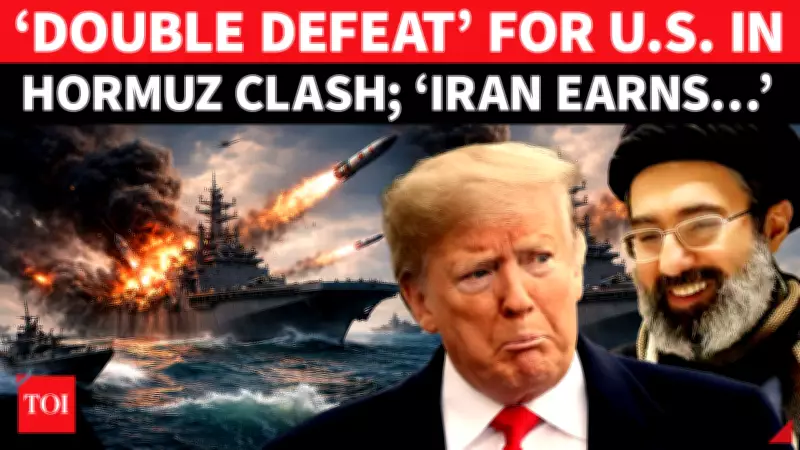
Iranian Army spokesman Mohammad Akraminia has asserted that Tehran's control over the strategic Strait of Hormuz could yield economic benefits double that of its oil exports. He further warned that Iran's naval presence would prevent the United States from re-establishing military facilities across Gulf nations.
Escalating Regional Tensions
The remarks come amid a sharp escalation in hostilities involving Iran, the United States, and Israel, following a series of major strikes and retaliatory attacks across the region. Iran has also closed the Strait to vessels linked to the US, Israel, and their allies, heightening fears over global oil supply disruptions and Middle East stability.
Strategic Implications
The Strait of Hormuz is a critical chokepoint for global energy shipments, with about one-fifth of the world's oil passing through it. Iran's threat to block the waterway has previously triggered volatility in oil markets. The current conflict has already pushed crude prices higher, and any sustained closure could have severe economic consequences worldwide.

Akraminia's statement suggests that Iran views control of the Strait as a leverage tool not only for military deterrence but also for economic gain, potentially surpassing its traditional oil revenue. This comes as Iran faces stringent international sanctions that have crippled its oil exports in recent years.
The United States has maintained a significant military presence in the Gulf region for decades, with bases in countries such as Bahrain, Qatar, and the United Arab Emirates. Iran's warning indicates a direct challenge to that presence, raising the stakes in the ongoing confrontation.
International observers are closely monitoring the situation, as any miscalculation could lead to a broader regional war. The European Union and other global powers have called for restraint and de-escalation, but the rhetoric from Tehran suggests a hardening of positions.