

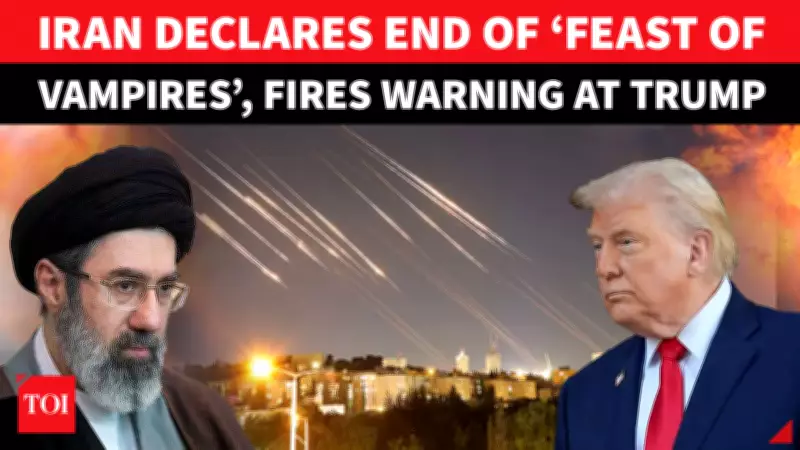
Iran's top security official unleashed a fiery anti-US speech in Moscow on May 29, 2026, declaring that the 'feast of vampires' was over after Tehran's resistance against America and Israel. Ali Bagheri accused the West of pushing 'peace through force,' blasted the Abraham Accords as a 'Pharaoh's Pact,' and warned that West Asia would no longer serve as a shield for US military bases. The explosive remarks came as Iran pushed for a new regional security order after weeks of conflict and rising tensions in the Strait of Hormuz.
Key Points of Bagheri's Speech
Bagheri's address at a Moscow security forum marked a sharp escalation in rhetoric against the United States and its allies. He framed Iran's recent military actions as a necessary stand against Western hegemony, stating that the era of exploitation was ending. The official specifically criticized the Abraham Accords, calling them a 'Pharaoh's Pact' that sought to normalize relations with Israel at the expense of Palestinian rights.
Regional Security Order
Bagheri called for a new security architecture in West Asia, one that excludes foreign military bases and empowers regional nations. He warned that Iran would not tolerate the continued presence of US forces in the region, vowing to defend its sovereignty against any aggression. This aligns with Tehran's longstanding demand for the withdrawal of American troops from the Middle East.

Strait of Hormuz Tensions
The speech comes amid heightened tensions in the Strait of Hormuz, where Iran has recently targeted US-linked ships. Bagheri's remarks signal that Iran is prepared to escalate further if its security concerns are not addressed. The strait is a critical chokepoint for global oil shipments, and any disruption could have severe economic consequences.
Reactions and Implications
The United States has not yet officially responded to Bagheri's speech, but analysts expect a firm reaction from the Trump administration. The remarks could further strain already fragile diplomatic channels, as both sides appear entrenched in their positions. Iran's push for a new regional order may gain traction among some neighboring states, but it also risks deepening divisions in the region.
Bagheri's fiery rhetoric underscores the precarious state of peace in West Asia, where a single miscalculation could trigger a wider conflict. The international community is watching closely as Iran and the US navigate this dangerous standoff.






