Iran has categorically rejected former US President Donald Trump's assertion that a final ceasefire understanding has been reached between the two nations. In a strongly worded statement, Tehran denied any such agreement, emphasizing that negotiations remain ongoing and no conclusive deal has been struck.
Iran's Official Response
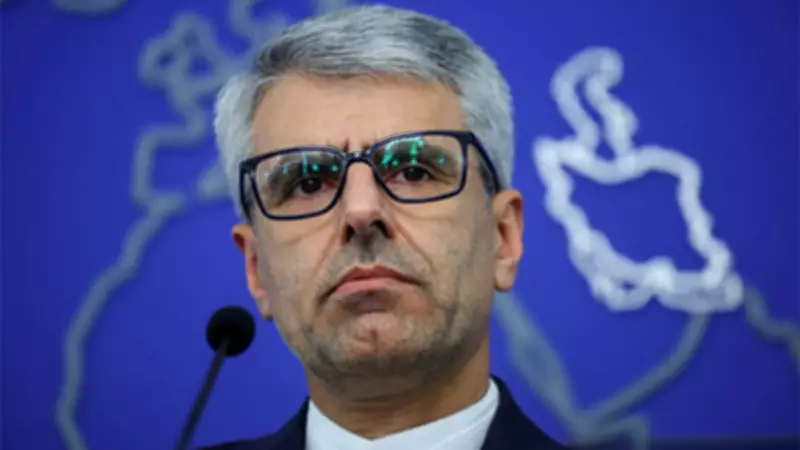
The Iranian Foreign Ministry issued a statement clarifying that the claims made by Trump are baseless and premature. Spokesperson Nasser Kanaani said, 'There is no final understanding. The negotiations are still in progress, and any announcement of a ceasefire is unfounded.' He stressed that Iran remains committed to diplomatic dialogue but will not accept any agreement that does not fully address its core demands.
Key Conditions Set by Tehran
Iran has laid out several non-negotiable conditions for any potential ceasefire. These include the complete lifting of sanctions imposed by the US, a guarantee that the US will not withdraw from any future agreement, and the recognition of Iran's right to peaceful nuclear energy. Tehran has also demanded that any deal must be legally binding and subject to international verification.

Background of the Conflict
The tensions between the US and Iran have escalated over the past few years, particularly after the US withdrawal from the Joint Comprehensive Plan of Action (JCPOA) in 2018. Since then, Iran has accelerated its nuclear program, and the US has imposed crippling sanctions. Attempts at negotiations have been intermittent, with both sides accusing each other of intransigence.
Trump's Claim and Reaction
Earlier this week, Donald Trump took to social media to announce that a 'final understanding' had been reached with Iran, effectively ending the conflict. He claimed that the deal included a ceasefire and a roadmap for future relations. However, this announcement was met with skepticism from analysts and outright denial from Iranian officials.
The international community has reacted cautiously to the developments. While some world leaders have expressed hope for a peaceful resolution, others have urged both sides to return to the negotiating table in good faith. The United Nations has called for transparency and restraint from all parties involved.
What Lies Ahead?
With Iran rejecting Trump's claim, the path to a ceasefire remains uncertain. Experts suggest that the coming weeks will be critical as both sides reassess their strategies. Iran has indicated that it is open to continued talks but will not be pressured into accepting unfavorable terms. Meanwhile, the US has not officially commented on Tehran's rejection, leaving the diplomatic process in limbo.
As the situation unfolds, the world watches closely, hoping for a de-escalation that could bring stability to the volatile region. For now, the conflict continues, and the prospect of peace remains elusive.