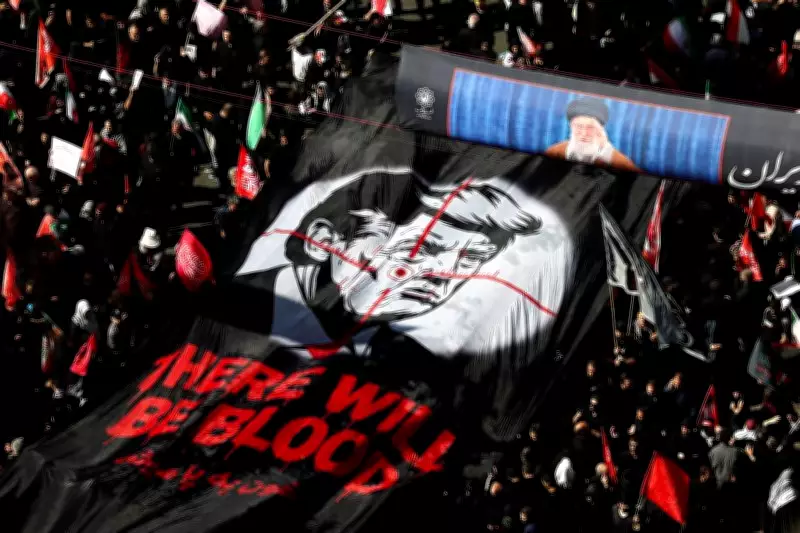
The United States carried out a second consecutive day of strikes on Iran, targeting 90 military sites along Iran's coastline, while Tehran retaliated by launching missiles at American bases in Bahrain, Jordan, and Kuwait. The escalation has raised fears of a deepening oil crisis, with the vital Strait of Hormuz seeing reduced shipping volume.
India calls for de-escalation
New Delhi expressed deep concern over the attacks and the rising tensions in West Asia. The Ministry of External Affairs stated, “India calls upon all parties to exercise restraint, de-escalate tensions and ensure protection of civilians as well as the uninterrupted flow of energy supplies and commerce.” The statement highlighted the risk of undermining regional peace, security, and stability.
US strikes and Iranian retaliation
The US military’s Central Command announced early Thursday that it had completed an additional round of strikes against Iran to further degrade Tehran’s ability to attack commercial shipping in the Strait of Hormuz. According to the command, 90 Iranian military targets were hit, including air defense systems, coastal surveillance assets, missile and drone storage sites, naval capabilities, and military logistics infrastructure along Iran’s coastline.

The US attacked eastern Iranian cities including Iranshahr, Bandar Abbas, Konarak, Chabahar, Bushehr, and Aqqala. Iran’s state news agency IRNA reported that a firefighter was killed in an attack on Iranshahr airport. Iranian officials told Fars News Agency that strikes on Chabahar targeted a maritime control tower and a depot, while state media reported that a railway bridge had been hit in Aqqala.
Hours after the US strikes, Iran launched missiles on American bases in Bahrain and Kuwait. Iran’s Islamic Revolutionary Guard Corps warned that future responses could extend to other US bases in the region if attacks continued. Ebrahim Rezaei, a spokesman for the Iranian Parliament’s National Security Committee, warned on X: “Wait for the hard slap by Iranians.”
Strait of Hormuz flashpoint
The immediate flashpoint remains the Strait of Hormuz, a critical chokepoint for global oil shipments. Mohammad Bagher Ghalibaf, Speaker of Iran’s Parliament, said the strait “will only open with ‘Iranian arrangements’, not American threats.” The US maintains that a memorandum of understanding signed on June 17 requires unfettered passage for all vessels. Since the MoU, which opened a 60-day window for peace negotiations, the US has insisted that any spike in conflict stems from Iran exercising sovereignty over the strait, which the White House considers an international waterway vital to the global economy.
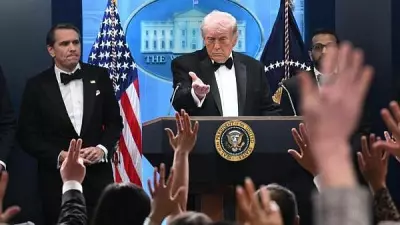
Speaking to reporters aboard Air Force One, US President Donald Trump said, “We just hit them very hard, and I say we hit them 20 to 1.” He added that every time “they hit us, we’re going to hit them 20.”
Kejriwal accuses Centre of profiteering
AAP national convener Arvind Kejriwal alleged on Thursday that the Centre is allowing oil companies to make ‘illegitimate profit’ and demanded fuel price reductions. He said the government should cut petrol prices from Rs 102 per litre to Rs 82 per litre.