As diplomatic efforts to revive the nuclear agreement with Iran hang in the balance, Tehran appears to be negotiating from a position of weakness while former U.S. President Donald Trump has vowed to finish the job, signaling a potential escalation in tensions. The latest round of talks, mediated by European and other international partners, has failed to produce a breakthrough, with both sides accusing each other of intransigence.
Iran's Weakened Position
Iranian officials have indicated a strong desire to reach a deal, acknowledging that the country's economy is under severe strain from ongoing sanctions. The Islamic Republic is reportedly willing to make concessions on key issues, including uranium enrichment levels and inspections by the International Atomic Energy Agency (IAEA). However, hardliners within Iran's political establishment remain skeptical of any agreement that does not guarantee immediate relief from sanctions.
Trump's Threatening Stance
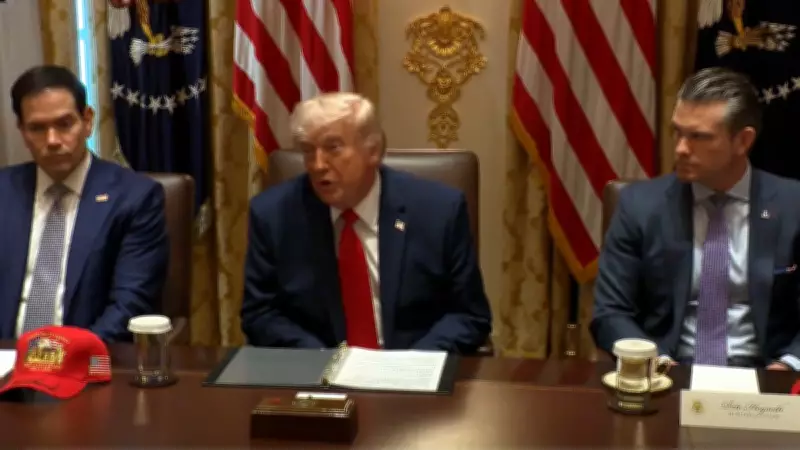
Meanwhile, Donald Trump, who is widely expected to run for president again in 2024, has made clear his intention to take a tougher line on Iran. In recent statements, Trump vowed to finish the job he started during his presidency, which included withdrawing from the 2015 nuclear deal and imposing maximum pressure sanctions. His rhetoric has raised concerns among European allies who fear a complete collapse of the diplomatic track.

The impasse comes at a time when the global community is watching closely, as any failure to reach an agreement could lead to further instability in the Middle East. Iran has continued to enrich uranium to near-weapons-grade levels, alarming the IAEA and Western intelligence agencies. The United States, under President Joe Biden, had initially sought to rejoin the deal, but negotiations have stalled over several sticking points, including Iran's ballistic missile program and its support for proxy forces in the region.
International Reaction
European mediators have expressed frustration with both parties, urging them to show flexibility. Russia and China, which have maintained economic ties with Iran, have called for a diplomatic solution but have also criticized the U.S. for its unilateral sanctions. The United Nations has warned that time is running out for a peaceful resolution, emphasizing the need for all sides to return to the negotiating table in good faith.
As the situation remains fluid, the prospect of a renewed conflict looms large. Iran's leadership is under domestic pressure to deliver economic relief, while Trump's potential return to the White House could herald a more confrontational approach. The coming weeks will be critical in determining whether diplomacy can prevail or if the region is headed for another crisis.