

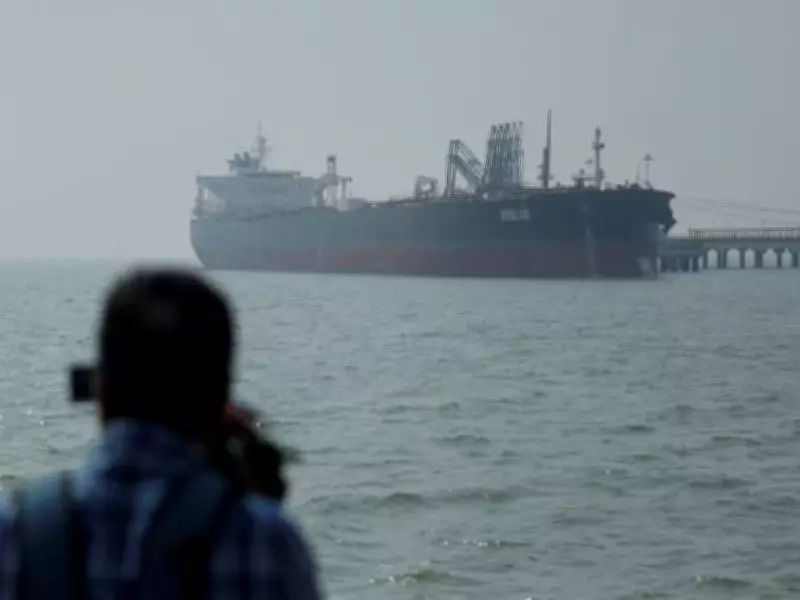
Iran has issued a warning to all ships navigating through the Strait of Hormuz, instructing them to travel only via designated routes. The move is seen as an attempt by Tehran to reassert its control over the strategic waterway, which is a critical chokepoint for global oil shipments.
Background of the Strait of Hormuz
The Strait of Hormuz, located between Iran and Oman, connects the Persian Gulf with the Gulf of Oman and the Arabian Sea. Approximately 20% of the world's petroleum passes through this narrow passage, making it a vital artery for global energy supplies. Iran has historically asserted its authority over the strait, often using it as leverage in geopolitical disputes.
Details of the Warning
According to Iranian officials, the warning was communicated through maritime channels and applies to both commercial vessels and military ships. The designated routes are intended to ensure safe passage and prevent collisions or security incidents. Iran has also emphasized that any deviation from these routes could be considered a violation of its territorial waters.

Regional and Global Reactions
The announcement has drawn mixed reactions from the international community. While some nations have expressed concern over potential disruptions to shipping, others view it as a routine measure to maintain order. The United States and its allies, who frequently conduct naval patrols in the region, have yet to issue an official response. However, analysts suggest that this move could escalate tensions in an already volatile area.
Implications for Global Oil Markets
The Strait of Hormuz is a key transit point for oil tankers, and any instability there can lead to fluctuations in global oil prices. Iran's reassertion of control may be aimed at signaling its strategic importance, particularly amid ongoing negotiations over its nuclear program. Market observers are closely watching the situation, as any disruption could impact supply chains and energy costs worldwide.
In conclusion, Iran's directive for ships to follow designated routes in the Strait of Hormuz underscores its determination to maintain influence over this critical maritime corridor. The international community will be monitoring the implementation of these measures and their broader implications for regional security and global trade.






