

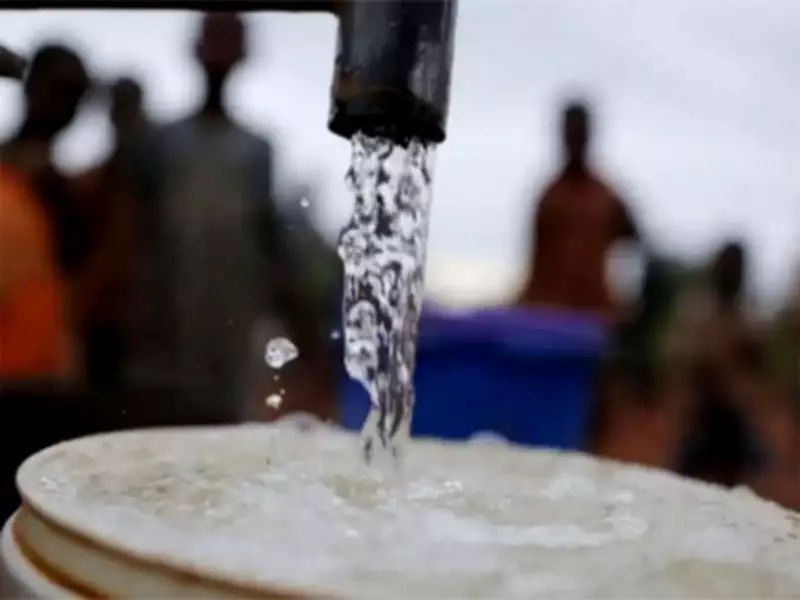
Karachi Water Crisis Worsens After Power Failure
Pakistan's largest city, Karachi, is grappling with a severe water crisis after a major power failure caused several key water supply lines to burst. The incident has disrupted water distribution to millions of residents, exacerbating an already critical water shortage in the city.
Power Failure Triggers Burst Pipes
The crisis unfolded when a sudden power outage at a water pumping station led to a pressure surge in the pipelines. This surge caused multiple supply lines to rupture, flooding streets and cutting off water to large parts of the city. Officials from the Karachi Water and Sewerage Board (KWSB) reported that the damage was extensive, with repairs expected to take several days.
Residents in affected areas have been left without running water, forcing them to rely on private tankers and stored supplies. Many have expressed frustration over the city's deteriorating infrastructure and frequent power outages. "We have been without water for over 24 hours. The government must fix these issues urgently," said a local resident.

Government Response and Emergency Measures
The Sindh government has deployed emergency teams to repair the damaged pipelines and restore water supply as quickly as possible. Tanker services have been arranged for the worst-hit neighborhoods, but the demand far exceeds supply. Authorities have urged citizens to use water sparingly and avoid wastage.
KWSB officials stated that they are working around the clock to fix the ruptured lines. However, they warned that full restoration might take up to 72 hours due to the complexity of the repairs. The power failure has also affected other essential services, including sewage treatment plants, raising concerns about public health.
Broader Implications for Karachi
This incident highlights the chronic infrastructure challenges faced by Karachi, a city of over 20 million people. Years of neglect, rapid urbanization, and political mismanagement have left the water supply system fragile and prone to breakdowns. The city relies heavily on the Indus River for its water, but aging pipes and frequent power cuts make distribution unreliable.
Environmental experts warn that such crises will become more frequent unless comprehensive upgrades are made. "Karachi needs urgent investment in its water infrastructure. The current system is not equipped to handle the growing population or the impacts of climate change," said Dr. Ayesha Khan, a water resource specialist.
Meanwhile, citizens continue to suffer, with many queuing for hours at water distribution points. The crisis has also disrupted businesses and schools, as the lack of water hampers daily operations. The Karachi Chamber of Commerce has urged the government to declare a state of emergency to mobilize additional resources.
As repairs progress, the city remains on edge. The power failure that triggered the burst pipes is a stark reminder of the interconnected challenges of energy and water security in Pakistan. For now, Karachi waits for the water to flow again.






