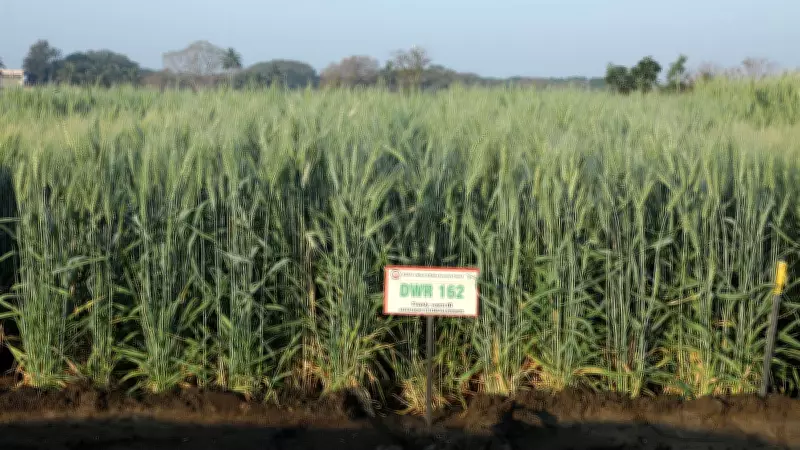
The University of Agricultural Sciences (UAS) Dharwad in Karnataka has developed a wheat seed variety, DWR 162, that is set to bolster food security in Indonesia. This variety combines resistance to prevalent races of leaf and stem rust with high yield potential, superior grain quality, and excellent tolerance to heat stress throughout the crop cycle.
Key Features of DWR 162
According to UAS Dharwad officials, DWR 162 is specifically bred to withstand the challenges of changing climatic conditions. Its resistance to leaf and stem rust ensures minimal crop loss, while its heat tolerance makes it suitable for tropical regions like Indonesia. The seed also offers high yield potential, which is critical for meeting the food demands of growing populations.
Impact on Indonesia's Agriculture
Indonesia has been seeking resilient wheat varieties to reduce its dependence on imports and enhance domestic production. The introduction of DWR 162 is expected to improve wheat yields significantly, contributing to the country's food security goals. The seed's superior grain quality also meets the standards required for processing and consumption.

Collaboration and Future Prospects
The transfer of DWR 162 to Indonesia is part of a broader collaboration between Indian agricultural institutions and Southeast Asian nations. UAS Dharwad has a history of developing high-performing seed varieties that address regional agricultural challenges. The success of DWR 162 in Indonesia could pave the way for its adoption in other countries with similar climatic conditions.
As per the university, the seed has undergone rigorous testing and has shown consistent performance in trials. The initiative is expected to strengthen bilateral ties and promote sustainable agriculture practices.