

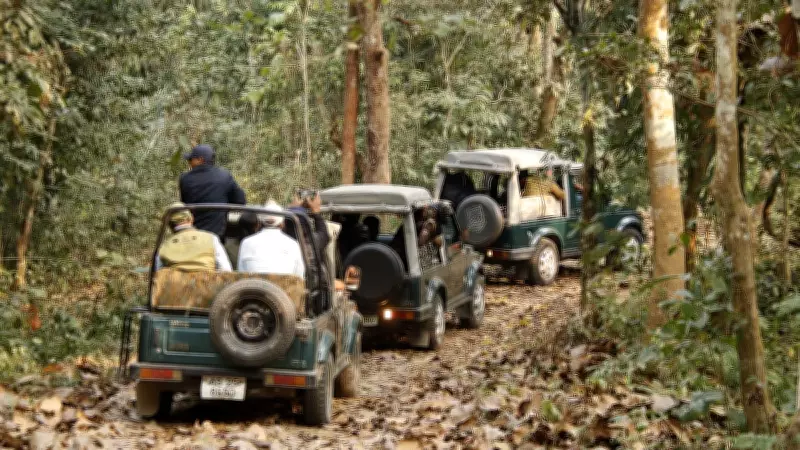
Kaziranga National Park in Assam has witnessed a remarkable four-fold increase in tourist footfall over the past ten years, according to recent data. The park, a UNESCO World Heritage Site known for its population of one-horned rhinoceroses, also saw a significant rise in foreign tourist arrivals.
Factors Behind the Surge
The increase in visitor numbers is attributed to a crackdown on poaching of rhinos and the introduction of new attractions. Enhanced security measures have drastically reduced poaching incidents, making the park safer for wildlife and more appealing to tourists. Additionally, new safari routes, elephant rides, and bird-watching zones have been developed to enhance the visitor experience.
Impact of Anti-Poaching Efforts
Strict enforcement of anti-poaching laws and increased patrolling by forest guards have led to a decline in rhino killings. This has not only protected the park's iconic species but also boosted its reputation as a conservation success story, attracting wildlife enthusiasts from around the world.

New Attractions and Facilities
The park authority has introduced several new attractions, including night safaris, eco-tourism camps, and interpretive centers. Improved accommodation and transportation facilities have also made it easier for tourists to visit. These developments have contributed to a steady rise in both domestic and international visitors.
According to officials, the number of tourists increased from around 1.2 lakh in 2016 to over 4.8 lakh in 2026. Foreign tourist inflow grew by more than 150% during the same period, with visitors coming from countries such as the United States, United Kingdom, Germany, and Japan.
Economic and Conservation Benefits
The surge in tourism has provided a boost to the local economy, creating jobs and supporting small businesses. Revenue generated from tourism is also being reinvested into conservation efforts, ensuring the long-term protection of the park's biodiversity.
Kaziranga National Park remains a prime example of how wildlife conservation and tourism can coexist sustainably. With continued efforts, the park is poised to attract even more visitors in the coming years.






