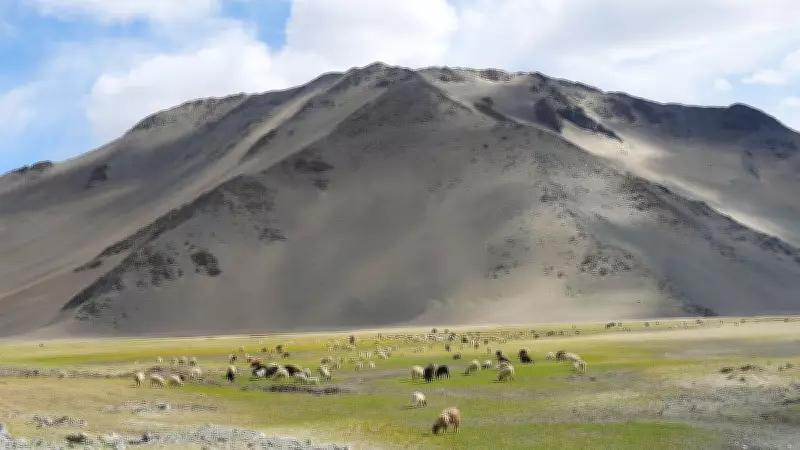
The Union Territory of Ladakh has staged a remarkable comeback in tourism, recording over a 43% increase in tourist arrivals during the first five months of 2026. This resurgence comes after a challenging year in 2025, which was marked by protests and adverse weather conditions that severely impacted travel to the region.
Sharp Increase in Tourist Footfall
According to official data, Ladakh welcomed more than 2.5 lakh tourists between January and May 2026, compared to around 1.75 lakh during the same period in 2025. The growth has been driven by improved road conditions, stable weather, and renewed confidence among travelers.
Factors Behind the Recovery
Several factors have contributed to this rebound. The local administration implemented targeted promotional campaigns highlighting Ladakh's unique landscapes and cultural heritage. Additionally, the easing of protest-related disruptions and better infrastructure maintenance have made travel smoother.

- Weather Improvements: Fewer landslides and road closures compared to 2025.
- Government Initiatives: Subsidized travel packages and homestay promotions.
- Domestic Travel Boom: Increased preference for domestic destinations among Indian tourists.
Challenges Overcome
In 2025, Ladakh faced significant tourism hurdles. Protests over local demands and unseasonal rains led to frequent roadblocks and flight cancellations. The tourism sector, which contributes substantially to the local economy, suffered a sharp decline. However, proactive measures by the administration and community efforts have restored confidence.
Hotel occupancy rates in key areas like Leh and Nubra Valley have risen to over 70% in May 2026, compared to 45% in May 2025. Tour operators report a surge in bookings for adventure activities such as trekking, river rafting, and mountain biking.
Outlook for the Rest of 2026
Industry experts are optimistic about the remaining months. The peak summer season from June to August is expected to see even higher numbers. The administration plans to further promote eco-tourism and sustainable practices to ensure long-term growth.
Local businesses, from taxi drivers to handicraft sellers, are experiencing a revival. The tourism department has set a target of surpassing pre-pandemic arrival levels by the end of 2026.