

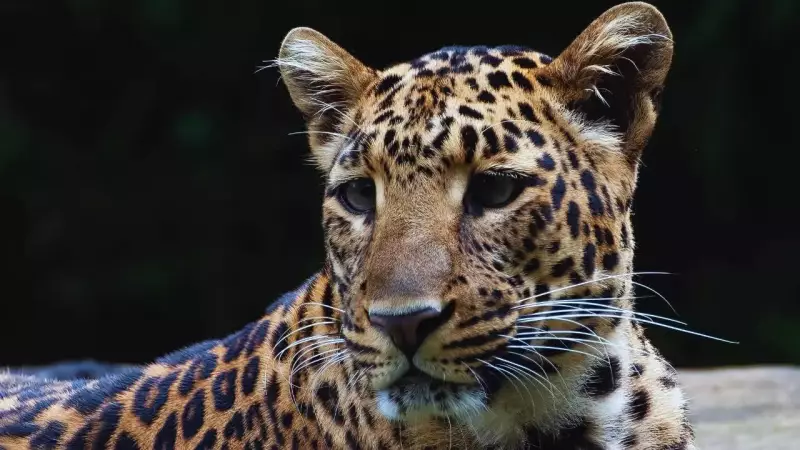
In what sounds like a scene from a fantasy film, forest officers in Maharashtra's Junnar region have given an unusual nickname to the leopards prowling through sugarcane fields - 'Sugar babies.' This isn't because these predators are harmless, but because they represent a dramatic shift in wildlife behavior that's forcing experts to rethink conservation strategies.
The Unconventional Habitat
These aren't your typical forest-dwelling leopards. These predators have never lived in forests, having been born and raised entirely within agricultural landscapes. Their mothers have groomed them for an environment dominated by tractors and irrigation pumps rather than the wilderness their ancestors once called home.
The result is a generation of leopards that perceive human presence not as a threat but as a normal backdrop to their daily lives. This fundamental behavioral change has wildlife managers scrambling to rewrite the entire playbook for human-animal conflict mitigation.

Failed Traditional Approaches
Traditional strategies including relocation, deterrence, and creating buffer zones have proven largely ineffective. These methods assume that leopards view farmland as temporary habitat, but the 'sugarcane leopards' of Junnar demonstrate otherwise.
Deputy conservator of forests Prashant Khade explains the situation clearly: "The current generation in Junnar is completely field-born. Their survival strategies fit this environment. Releasing them into forests is a waste of time and resources."
Forest officers find the leopards' homing ability particularly astonishing. Some relocated leopards have been documented returning to their original territories within days, demonstrating their strong connection to the agricultural landscape.
New Reality Demands New Solutions
Villagers' traditional methods of scaring leopards away using firecrackers or metal tins have lost their effectiveness. Officials note that these leopards have grown up hearing crackers during festivals and regular farm activities, making them desensitized to such noises.
The situation becomes more complex when a leopard is removed or dies. Assistant conservator of forests Smita Rajhans observes that neighboring packs immediately sense the vacancy and expand their territories into the available space.
With western Maharashtra's sugarcane fields now harboring 70% of the region's leopard population, officials anticipate increased human-animal conflict during the sugar-crushing season over the next three to four months.
A Wildlife Institute of India expert summarizes the new reality: "Sugarcane leopards are here to stay." The fundamental challenge has shifted from how to push leopards back into forests to whether humans can adjust to the seemingly permanent presence of their spotted predator neighbors in agricultural areas.






