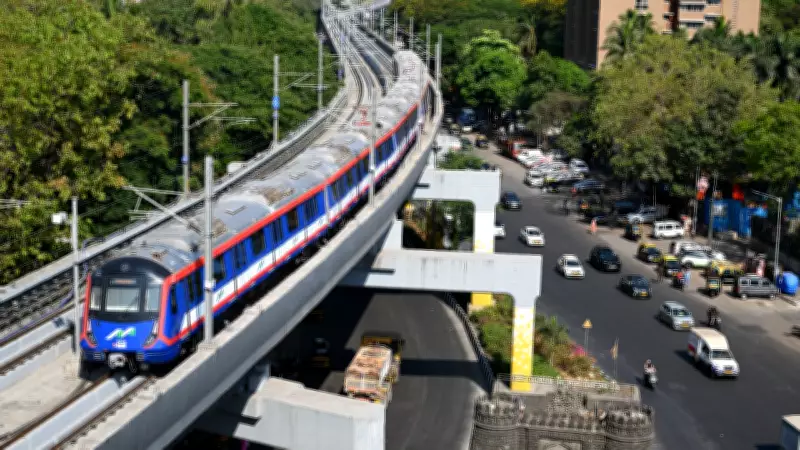
The proposed Metro Line 13 corridor connecting Bhayander and Virar has taken a significant step forward after the revised Detailed Project Report (DPR) was submitted to the Maharashtra government for approval. This 24.9-kilometer project aims to revolutionize commuting in western Mumbai.
Underground Section Added
The updated plan includes a 3.25-kilometer underground stretch between Vasai and Nalasopara. This addition is designed to minimize displacement and rehabilitation issues in densely populated residential areas along the route, addressing key concerns raised during earlier consultations.
Sharp Rise in Cost
The estimated cost of the project has increased substantially to Rs 17,724 crore, compared to the earlier estimate of around Rs 6,900 crore. The rise is primarily attributed to revisions in alignment and the inclusion of underground construction work, which is more expensive than elevated sections.

Route and Structure
The Metro corridor will span a total of 24.9 kilometers, with 21.65 kilometers planned as an elevated section and the remaining 3.25 kilometers underground. This hybrid design balances cost efficiency with minimal disruption to existing infrastructure.
Stations Planned
A total of 17 stations have been proposed on the corridor, including 14 elevated stations and three underground stations. The underground stations will be located at Vivek Fire Brigade, Chole Gaon, and Papdi, providing crucial connectivity to key areas.
Network Integration
Metro Line 13 will integrate with Metro Line 9 at Bhayander, enabling smoother access towards Dahisar, Andheri East, and Gundavali through the wider Mumbai Metro network. This connection is expected to significantly reduce travel time for commuters traveling across the city.
Key Infrastructure Feature
The project includes a proposed double-decker bridge over Vasai Creek, with a lower deck for road traffic and an upper deck for metro services. This innovative structure will optimize land use and provide a seamless multimodal transport experience.
All images used for representational purposes only. The DPR now awaits approval from the state government, after which construction is expected to commence in phases.