

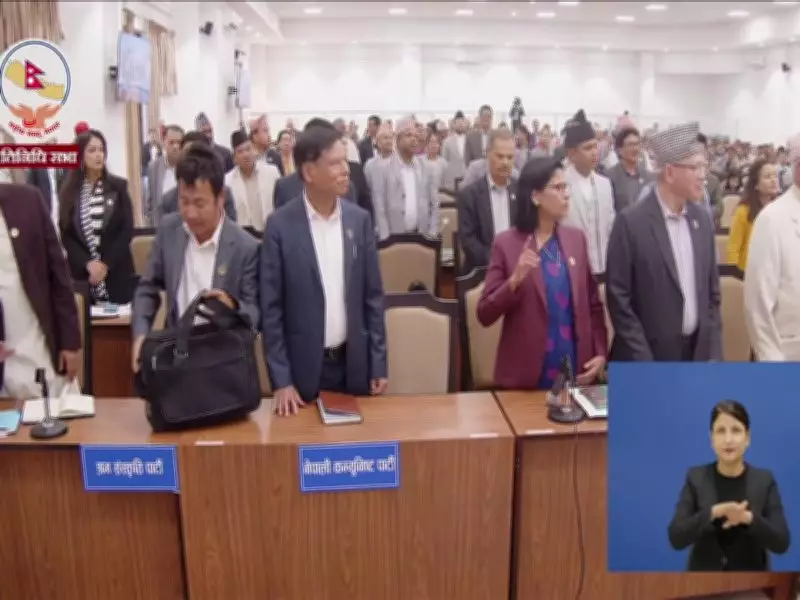
Nepal's parliament witnessed heightened tensions on Wednesday as lawmakers staged a walkout in protest against Prime Minister Pushpa Kamal Dahal's absence during the ongoing session. The opposition parties accused the Prime Minister of avoiding accountability and neglecting parliamentary duties.
Opposition's Stance
The main opposition party, Nepali Congress, along with other parties, demanded the Prime Minister's presence to address pressing national issues. They argued that his absence undermines the democratic process and disrespects the parliament's authority. Lawmakers chanted slogans and displayed placards before walking out of the House.
Government's Response
In response, government officials stated that the Prime Minister was engaged in important diplomatic engagements and could not attend the session. They assured that he would address the parliament at the earliest opportunity. However, the opposition remained unconvinced, calling for a formal apology and a commitment to regular attendance.

Impact on Parliamentary Proceedings
The walkout disrupted the day's scheduled agenda, including discussions on budget allocations and infrastructure projects. Speaker Dev Raj Ghimire urged both sides to resolve the dispute amicably to ensure smooth functioning of the House. The incident highlights the growing political rift between the ruling coalition and opposition parties in Nepal.
Historical Context
This is not the first time parliamentary proceedings have been marred by protests over absenteeism. Similar incidents have occurred in the past, reflecting deeper issues of governance and political accountability in the country. Analysts believe that such disruptions hinder legislative progress and erode public trust in democratic institutions.
As the situation unfolds, all eyes are on the next parliamentary session, where the Prime Minister's attendance is expected to be a key point of contention. The opposition has threatened further action if their demands are not met.






