

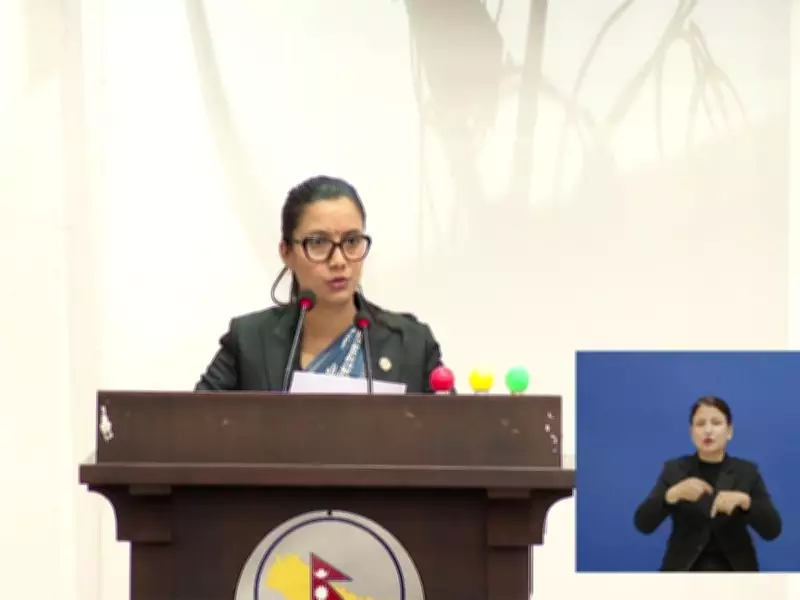
Nepal's parliament was formally presented with a landmark mutual legal assistance agreement in criminal matters with India on Thursday, marking a significant step in bilateral judicial cooperation. The treaty, which was signed by both nations earlier, aims to streamline the process of gathering evidence, serving legal documents, and executing requests related to criminal investigations and prosecutions.
Key Provisions of the Agreement
The Mutual Legal Assistance Treaty (MLAT) covers a wide range of criminal offenses, including corruption, money laundering, terrorism, and cybercrime. Under the pact, both countries will provide each other with assistance in the investigation, prosecution, and prevention of crimes. This includes the identification and tracing of proceeds of crime, freezing and confiscation of assets, and the production of documents and records.
Enhanced Cooperation Against Transnational Crime
The treaty is expected to significantly enhance cooperation between Nepal and India in combating transnational organized crime. It will facilitate the exchange of information and evidence in a timely manner, reducing bureaucratic hurdles that often hamper cross-border criminal investigations. Legal experts believe this will lead to more efficient prosecution of criminals who operate across the India-Nepal border.

Bilateral Relations Strengthened
The presentation of the treaty in parliament underscores the growing legal and diplomatic ties between the two neighboring countries. Both nations have long shared an open border and deep cultural connections, but legal cooperation in criminal matters has often been complex. This MLAT provides a structured framework to address such challenges.
Next Steps
The treaty will now be reviewed by parliamentary committees before being ratified. Once ratified, it will enter into force 30 days after the exchange of instruments of ratification. The process is expected to be completed within the current parliamentary session.
Officials from both sides have expressed optimism that the MLAT will serve as a model for future bilateral agreements in other areas of legal cooperation.






