

Nepal's High-Level Probe Committee Delivers Extensive Report on Youth-Led Demonstrations
A significant development has unfolded in Nepal as a specially constituted investigation body has formally submitted a voluminous 1000-page report to Interim Prime Minister Sushila Karki. This comprehensive document meticulously details the findings and analyses concerning the recent wave of protests spearheaded by Generation Z activists across the nation.
Scope and Focus of the Investigation
The probe committee, established by the government to examine the causes, dynamics, and consequences of the youth-led demonstrations, has spent months gathering evidence, conducting interviews, and reviewing public records. The report is expected to cover a wide array of aspects, including the socio-political triggers of the protests, the role of digital platforms in mobilization, instances of law and order challenges, and the broader impact on Nepal's democratic processes and policy-making environment.
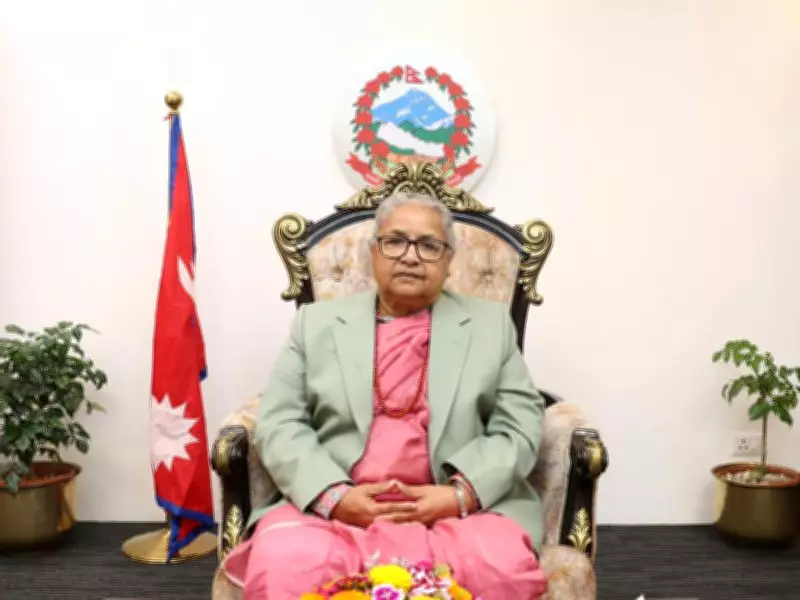
Interim Prime Minister Sushila Karki has acknowledged receipt of the report and emphasized the government's commitment to reviewing its contents thoroughly. She stated that the findings will be instrumental in shaping future governance strategies and addressing the concerns raised by the younger generation, who have been vocal about issues such as economic opportunities, educational reforms, and political transparency.

Key Areas Explored in the 1000-Page Document
- Root Causes: An in-depth analysis of the economic, social, and political factors that fueled the Gen Z protests, including unemployment rates and access to education.
- Protest Dynamics: Detailed accounts of protest activities, organizational structures, and the use of social media for coordination and outreach.
- Government Response: Evaluation of law enforcement actions, policy announcements, and dialogue initiatives during the protest period.
- Recommendations: Proposed measures for enhancing youth engagement, improving governance mechanisms, and preventing similar unrest in the future.
The submission of this report marks a critical step in Nepal's ongoing efforts to understand and respond to the aspirations of its youth population. Observers note that the findings could influence upcoming policy decisions and legislative reforms, particularly as the country navigates a transitional political phase. The interim government has indicated that a summary of the report may be made public after a careful review, aiming to foster transparency and public trust.
This development comes amid a broader context of youth activism in South Asia, where Generation Z is increasingly asserting its voice on national and global issues. The report's insights are anticipated to provide valuable lessons for other nations grappling with similar demographic shifts and protest movements.






