

New Ayeyarwady Pit Viper Discovery in Myanmar Challenges Species Identification
In a groundbreaking study published in the journal ZooKeys, scientists have described a new snake species from Myanmar, known as the Ayeyarwady pit viper. This discovery is turning conventional species identification methods on their head, as individuals within the species exhibit a wide range of appearances, making initial classification difficult.
Unusual Morphological Variability in the Ayeyarwady Pit Viper
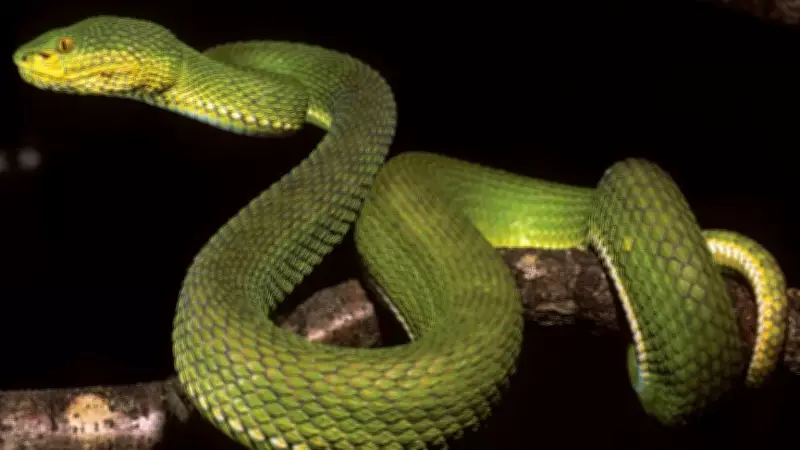
Central Myanmar, a region rich in pit viper diversity, is now home to this newly identified species. What makes the Ayeyarwady pit viper particularly notable is its extreme morphological variability. Some individuals display a bright green coloration with no markings, while others have darker patterns or blotches along their bodies. This diversity in appearance led researchers to initially suspect hybridisation between known species, as consistent physical traits—typically relied upon for species identification—were unreliable in this case.
Genetic Analysis Confirms a Distinct Species
To resolve the confusion, scientists conducted genetic testing. The results revealed that all these different-looking snakes belong to a single, distinct species, not a hybrid. This finding underscores the limitations of relying solely on morphological characteristics and highlights the critical role of DNA analysis in modern taxonomy. It suggests that past interbreeding among related species may have contributed to the physical differences, but genetics ultimately confirmed their unique evolutionary lineage.

Implications for Evolution and Biodiversity
The discovery of the Ayeyarwady pit viper has significant implications for our understanding of evolution and biodiversity. It demonstrates that species delineation is not always clear-cut and that appearance alone can be misleading. This case serves as a unique example of how one species can exist in multiple forms without losing its identity. Furthermore, it emphasizes the importance of exploring less-researched regions like Myanmar, where biodiversity may be more complex and diverse than previously thought. Continued scientific research in such areas is essential for uncovering new species and advancing our knowledge of ecological systems.






