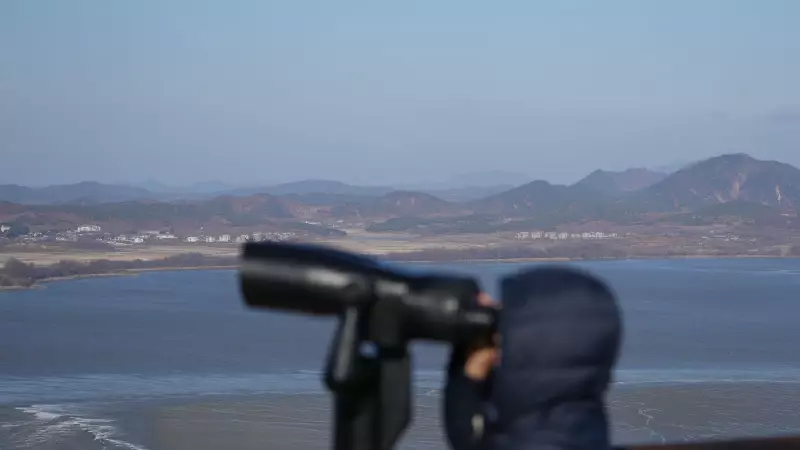
North Korea has conducted a fresh ballistic missile test, firing a projectile towards the waters off its eastern coastline. The launch was promptly detected and reported by the military authorities in South Korea, marking another escalation in Pyongyang's weapons testing activities.
South Korean Military Detects Launch
The South Korean Joint Chiefs of Staff (JCS) announced that they identified the launch from North Korea on Tuesday. The missile was fired in a direction toward the East Sea, which is also known as the Sea of Japan. The South Korean military has heightened its surveillance posture and is maintaining a state of readiness in close coordination with the United States.
This test follows a series of recent weapons demonstrations by North Korea, which have included multiple missile launches and artillery fire. Analysts suggest these actions are part of a strategy to advance military capabilities and gain diplomatic leverage.

Japan's Response and Regional Alert
Japanese authorities also monitored the situation closely. The Japan Coast Guard issued a warning for vessels to be cautious, although no immediate threat to Japanese territory was reported. The Japanese government has consistently condemned North Korea's ballistic missile tests as violations of United Nations Security Council resolutions.
The timing of such launches is often scrutinized, as they can be linked to political messaging or responses to military exercises conducted by the United States and South Korea in the region.
Escalating Tensions and International Concerns
This latest missile firing contributes to the already heightened tensions on the Korean Peninsula. North Korea has been actively pursuing the development of its missile program, including short-range and potentially long-range systems. The international community, led by the United States, South Korea, and Japan, has repeatedly called for a halt to these provocative actions.
The launch underscores the ongoing challenges in achieving denuclearization and stability in the region. It is expected to prompt further discussions among allied nations about strengthening deterrence and exploring diplomatic pathways, though prospects for dialogue remain dim.
Experts warn that without a resumption of serious negotiations, the cycle of tests and responses is likely to continue, increasing the risk of miscalculation. The focus now turns to how South Korea, the United States, and Japan will formally respond to this latest provocation from Pyongyang.