

As temperatures rise in southeastern Australia, New South Wales (NSW) is heading into its peak snake season, when run-ins with venomous snakes become much more common. The warmer months create ideal conditions for snakes to emerge in large numbers, boosting the chances of accidental bites in suburbs, parks, and rural areas. Health officials and wildlife experts stress that most snake bites occur accidentally, not due to aggression. Snakes become more active searching for food and mates during this time, so encounters with people gardening or hiking are inevitable. Experts point out that the highest-risk period spans from late spring to early autumn, when heat levels are at their peak. Data from emergency departments shows a significant increase in bite reports during these months. Let's explore why snake season intensifies in NSW.
Why Snake Season Peaks in NSW
According to the New South Wales Ministry of Health, the link between snake season and warming temperatures is very close. When temperatures rise from October onwards, snakes exit brumation, which is a reptile version of hibernation. They remain active through summer and early autumn, with their busy period typically lasting from November to March. As it gets warmer, their metabolism speeds up, making them more mobile and more likely to appear in backyards, parks, and near water sources or bushland edges.
The Most Dangerous Months Explained
As reported by ABC News, focusing on which months bring the most danger reveals that the riskiest times tend to be from December to February. Extreme heat, combined with more people spending time outdoors, leads to more accidental encounters. With holidays, camping, and gardening in full swing, exposure is even higher. The typical bite occurs in the afternoon and early evening, especially in suburbs and on rural properties.

Which Snakes Pose the Biggest Threat
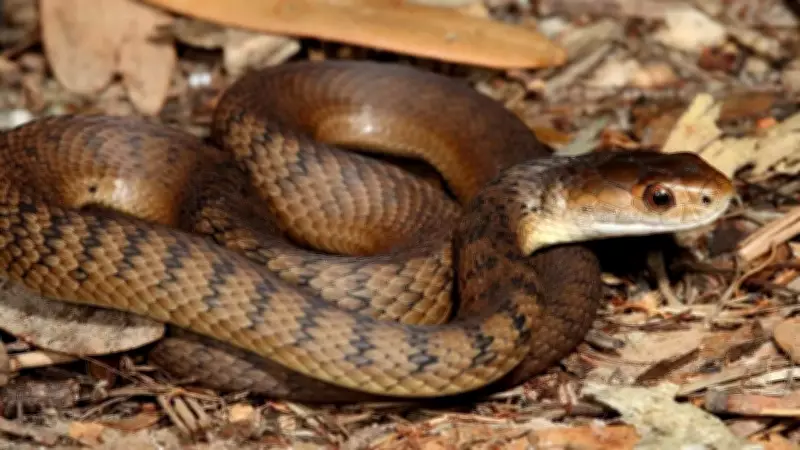
NSW hosts several venomous species, but the eastern brown snake, red-bellied black snake, and tiger snake top the list. Of these, the eastern brown causes many serious bites because it is widespread and lives close to towns. Although they are fast and alert, these snakes are not naturally aggressive. Trouble usually starts when someone steps on one while mowing the lawn or cleaning out the garden shed.
Why Are Encounters Increasing in the Suburbs
As housing developments expand into bushland, snakes lose their natural habitat and end up in backyards. Warm weather also attracts rats, which encourages snakes to explore areas they would normally avoid. Cluttered yards and tall grass provide snakes with perfect hiding spots, bringing snake-human encounters to new highs.
Warning Signs and Snake Behaviour
When snakes sense danger, they may coil up, flick their tongues rapidly, or adopt a defensive posture. During peak season, they can be active earlier in the day, such as mornings and late afternoons. The key lesson is to keep a safe distance, as many bites occur when people get too close.
What Should You Do If You Encounter a Snake?
Official advice is to freeze and move away slowly. If you panic, the snake may become frightened. If a snake appears in your yard, keep pets inside and call professional snake removers—do not attempt to handle it yourself. For any bite, seek medical attention immediately; meanwhile, apply pressure immobilisation to the affected limb to slow venom spread. To stay safe, keep lawns short and clear garbage, and ensure homes are sealed tightly to discourage critters. Supervise pets outdoors, especially during the heat of the day, and wear closed shoes when walking through grass and fields. Following these guidelines can help avoid risky encounters.
Staying Alert During the Warmer Months
As the warm season progresses in NSW, experts emphasize that being vigilant is crucial to prevent snake bites. Although the number of encounters increases due to climate and urban growth, caution and preparedness significantly reduce danger. Knowing when and where snakes are active allows everyone to share the environment safely during the busiest times.






