

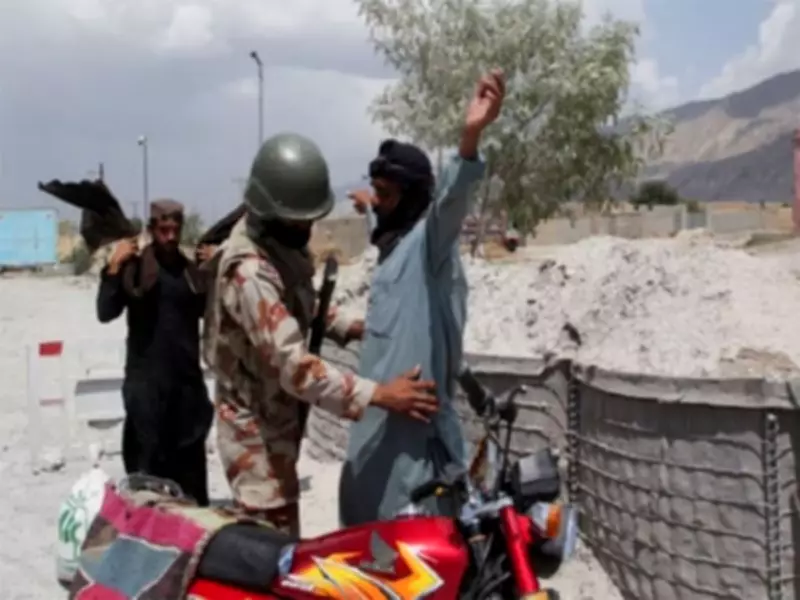
Pakistan has come under fire for deepening the humanitarian crisis in the Mashkay region, where a stringent curfew has left residents grappling with severe shortages of basic necessities. The curfew, imposed by authorities, has disrupted daily life, cutting off access to food, clean water, and medical supplies. Local sources report that families are struggling to survive as markets remain closed and movement is heavily restricted.
Impact on Civilians
The curfew has exacerbated an already dire situation in Mashkay, which has been plagued by poverty and limited infrastructure. Residents describe scenes of desperation, with many unable to afford or access essential goods. Humanitarian organizations have expressed alarm, noting that children and the elderly are particularly vulnerable to malnutrition and untreated illnesses.
International Concerns
The international community has voiced strong condemnation, accusing Pakistani authorities of using the curfew as a tool of collective punishment. Human rights groups have called for an immediate end to the restrictions and the unimpeded delivery of humanitarian aid. The United Nations has urged dialogue to resolve the crisis peacefully.

Critics argue that the curfew violates international humanitarian law, which prohibits measures that cause disproportionate suffering to civilians. They demand that Pakistan lift the curfew and allow independent observers to assess the situation.
In response, Pakistani officials have defended the curfew as a necessary security measure to prevent unrest. However, they face mounting pressure to address the humanitarian fallout as the crisis deepens.






