

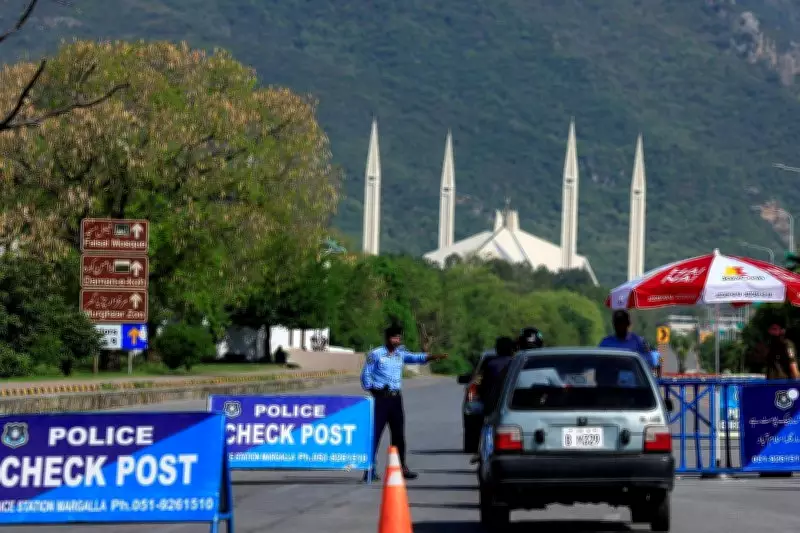
Pakistan has announced a significant easing of restrictions in its twin cities of Rawalpindi and Islamabad, as the government continues to balance public health concerns with economic revival. The decision comes amid a broader assessment of the COVID-19 situation, with authorities noting a decline in infection rates and hospitalizations.
Details of the Relaxation
Under the new guidelines, markets and businesses in both cities will operate for extended hours, while public transportation will resume with capacity limits. Educational institutions, however, remain closed for in-person classes, and large gatherings are still prohibited. The relaxation applies to most sectors except those deemed high-risk, such as cinemas and indoor dining.
Economic Implications
The easing of restrictions is expected to provide a much-needed boost to the local economy, which has been severely impacted by months of lockdowns. Small traders and shopkeepers have welcomed the move, though some express concerns about a potential resurgence of cases. The government has urged citizens to continue adhering to safety protocols, including mask-wearing and social distancing.

No Prospect of US-Iran Talks
Meanwhile, Pakistani officials have categorically ruled out any possibility of hosting US-Iran negotiations on its soil. This clarification comes amid speculation that Pakistan might mediate between the two nations. Foreign Ministry spokesperson confirmed that no such talks are on the agenda, emphasizing Pakistan's neutrality in regional conflicts.
Regional Context
The statement underscores Pakistan's cautious approach to engaging in geopolitical disputes, particularly those involving the United States and Iran. While Pakistan has historically played a mediating role in Middle Eastern affairs, it appears unwilling to facilitate dialogue given the current tensions.
Public Response
The easing of restrictions has been met with mixed reactions from the public. While many are relieved to resume normal activities, health experts warn against complacency. The National Command and Operation Centre (NCOC) has stressed the importance of maintaining vigilance to prevent a third wave.
In summary, Pakistan's decision to ease restrictions in Rawalpindi and Islamabad reflects a calibrated approach to managing the pandemic, while its stance on US-Iran talks reaffirms its non-interference policy in international disputes.






