

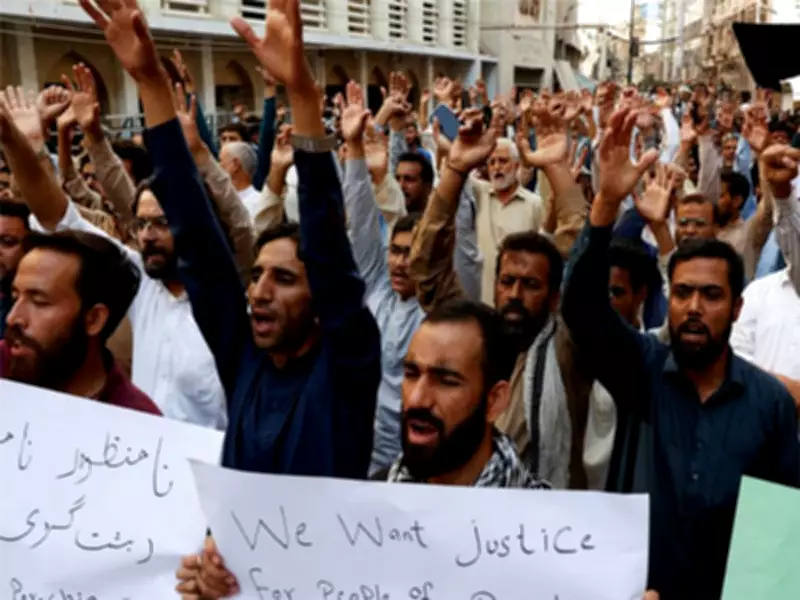
Unpaid workers in Faisalabad, Pakistan, took to the streets in protest against the chaos caused by outsourcing practices that have left them without wages for months. The protest, which drew hundreds of laborers, highlighted the growing frustration among the workforce who claim they have been exploited by companies that outsource work without proper oversight.
Background of the Protest
The outsourcing industry in Pakistan has been facing significant challenges, with many workers alleging that middlemen and companies have failed to honor payment agreements. In Faisalabad, a major industrial hub, this issue has escalated into public demonstrations. Workers from various sectors, including textile and manufacturing, gathered outside the local labor office, demanding immediate payment of their dues and stricter regulations on outsourcing firms.
Workers' Demands
The protesters carried placards and chanted slogans, calling on the government to intervene. Their key demands include:

- Immediate clearance of all pending wages.
- Registration of all outsourcing companies with the labor department.
- Legal action against firms that exploit workers.
- Implementation of a monitoring system to ensure timely payments.
Government Response
Local authorities have acknowledged the protest and promised to investigate the matter. A spokesperson for the Faisalabad district administration stated that they would hold meetings with labor representatives and outsourcing companies to resolve the issue. However, workers remain skeptical, citing previous unfulfilled promises.
Impact on the Industry
The outsourcing chaos has not only affected workers but also tarnished Pakistan's reputation as a reliable outsourcing destination. Industry experts warn that if the situation is not addressed, it could lead to a loss of international contracts and further economic strain. The protest in Faisalabad is seen as a wake-up call for policymakers to reform the labor market and protect workers' rights.
As the protest continues, workers have vowed to intensify their actions if their demands are not met. The incident underscores the urgent need for labor law reforms in Pakistan to prevent similar crises in the future.






