

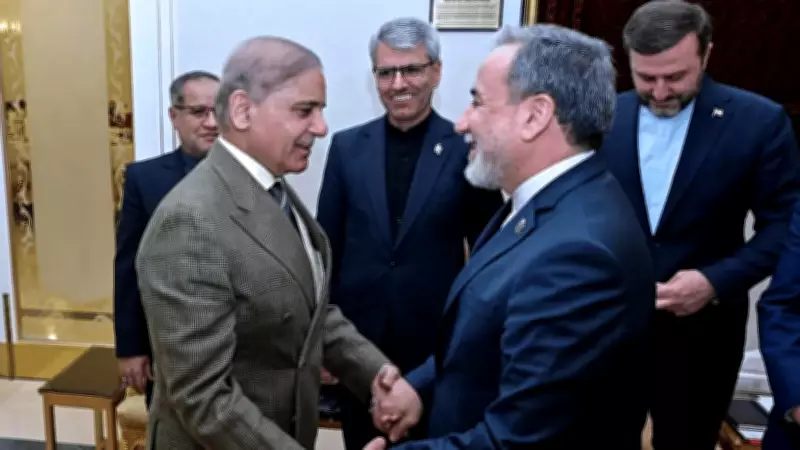
Pakistanis are increasingly questioning their government's role in the ongoing talks with Iran, as skepticism grows over the transparency and strategic motivations behind the diplomatic engagement. The discussions, which have drawn significant attention, are seen by many as a delicate balancing act between regional alliances and national interests.
Background of the Talks
The talks between Pakistan and Iran have centered on bilateral trade, security cooperation, and energy projects. However, critics argue that the government has not been forthcoming about the details and potential concessions. This lack of clarity has fueled public doubt about the benefits of such negotiations.
Public Skepticism
Many Pakistanis are wary of the government's intentions, fearing that the talks may compromise the country's sovereignty or align it too closely with Iran at the expense of relations with other nations, particularly Saudi Arabia and the United States. Social media platforms have been abuzz with debates, with hashtags calling for greater accountability.

Strategic Implications
Analysts suggest that Pakistan's engagement with Iran is partly driven by economic pressures and the need for energy security. However, the lack of a clear communication strategy has left room for speculation. Some experts warn that without a transparent approach, the government risks eroding public trust.
Government Response
Officials have defended their position, stating that the talks are in the national interest and that all decisions will be made with due consideration. They have urged the public to rely on official statements rather than unverified rumors. Nevertheless, the demand for more detailed briefings continues to grow.
Looking Ahead
As the talks progress, the government faces the challenge of balancing diplomatic necessities with domestic expectations. The outcome of this engagement could have lasting implications for Pakistan's foreign policy and its relationship with its citizens.






