

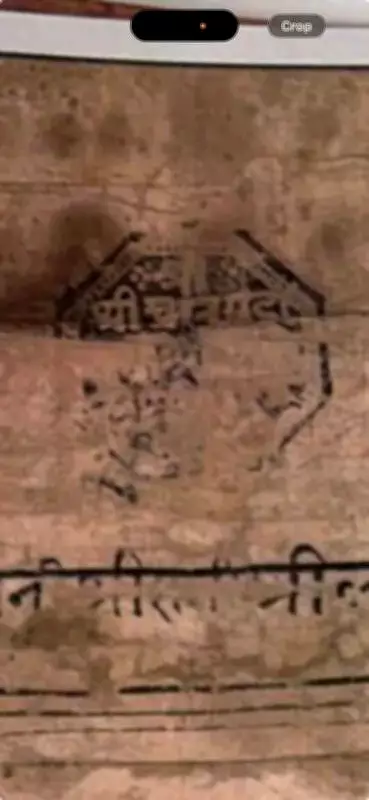
A historically significant letter penned by Rani Lakshmibai in the months leading up to the 1857 revolt has been unearthed in Madhya Pradesh's state archives. The letter, written in the local Bundeli dialect and bearing the official seal of the Rani of Jhansi, provides crucial insights into the diplomatic maneuvers and strategic planning that preceded India's First War of Independence.
Contents of the Letter
Addressed to Rani Ladai Dulaiya Ju Dev of Tikamgarh, the letter masterfully blends strategic counsel with personal warmth. Lakshmibai invokes a familial bond, addressing Dulaiya as an elder sister, while urging unity and cautioning against internal divisions that the British were exploiting. The Bundelkhand region, encompassing Tikamgarh and Orchha, was characterized by shifting alliances and intense conflicts among local rulers at the time.
In the letter, Lakshmibai urges Dulaiya to continue the struggle with troops and cannons, strengthen her forces, and hold her ground. She warns against the British policy of divide and rule, referred to as tako-bato in Bundeli, and calls for wise leadership free from internal discord.

Unique Seal and Discovery
The most remarkable feature of the document is its octagonal seal, which bears the word Shri in a distinct Marathi style. This seal is extremely rare, with no comparable examples found to date. Madhya Pradesh's archaeology commissioner, Madan Kumar Nagargoje, described the discovery as potentially pivotal for understanding the 1857 revolt.
Nagargoje stated that the state archives could prove to be the most vital asset for connecting missing links of the rebellion. The Gyan Bharat Mission has enabled the study and digitization of lakhs of documents that hide precious pages of India's glorious past. The fragile script was decoded using advanced archaeological techniques by two veteran archaeologists and independently translated by two linguistic experts.
Broader Implications
Teams are now cross-referencing Bundeli, French, and British records to piece together a more coherent narrative of the 1857 revolt. This effort suggests that the rebellion was less a series of scattered uprisings and more a deliberate, interconnected network of resistance.






