

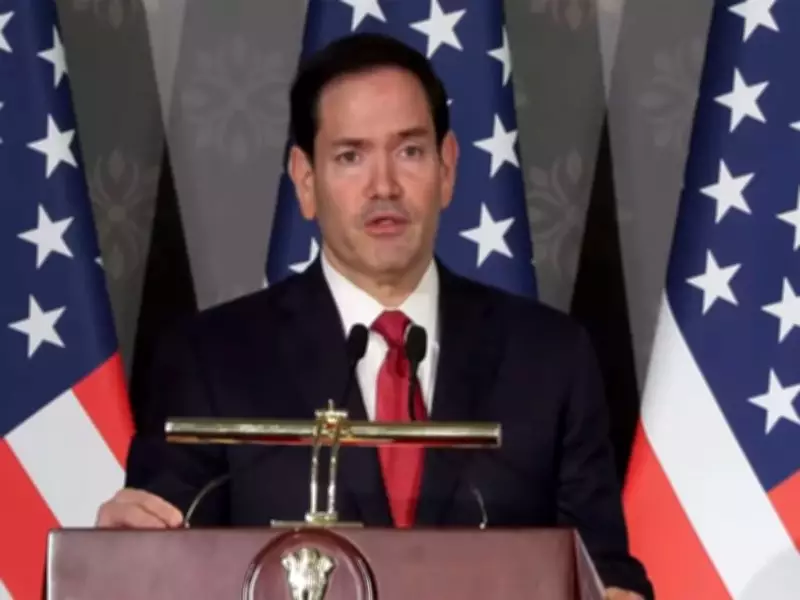
In a recent development that could reshape international relations, US State Secretary Marco Rubio has indicated that significant progress has been made in diplomatic discussions with Iran, hinting at a potential breakthrough. Speaking at a press conference in Washington, Rubio stated that the talks have advanced substantially, though he refrained from providing specific details about the nature of the progress.
Rubio's Remarks Signal Optimism
Rubio's comments come amid ongoing negotiations aimed at reviving the 2015 nuclear deal, formally known as the Joint Comprehensive Plan of Action (JCPOA). The deal, which limited Iran's nuclear activities in exchange for sanctions relief, has been in jeopardy since the United States unilaterally withdrew in 2018 under the previous administration. Since then, Iran has gradually scaled back its compliance, enriching uranium to levels near weapons-grade.
During the press conference, Rubio emphasized that the United States is committed to a diplomatic resolution. He said, 'We have made significant progress in our discussions with Iran. While challenges remain, we are cautiously optimistic that a mutually acceptable agreement can be reached.' The State Secretary did not elaborate on the specific areas of agreement or disagreement, but sources close to the negotiations suggest that both sides have shown flexibility on key issues.

Key Points of Negotiation
The negotiations have focused on several critical aspects, including the scope of Iran's uranium enrichment program, the lifting of sanctions, and verification mechanisms. Iran has demanded the removal of all sanctions imposed after the US withdrawal, while the US insists on strict monitoring to ensure compliance. Rubio's hint at a breakthrough suggests that compromises may have been made on these contentious points.
Analysts believe that any agreement would require Iran to roll back its nuclear activities and allow intrusive inspections by the International Atomic Energy Agency (IAEA). In return, the US would lift sanctions, enabling Iran to access frozen assets and rejoin the global financial system. The potential deal also addresses regional security concerns, with discussions on limiting Iran's ballistic missile program and its influence in the Middle East.
International Reactions
The international community has welcomed the positive signals from Washington. The European Union, which has acted as a mediator, expressed hope that a final agreement could be reached soon. A spokesperson for the EU foreign policy chief said, 'We are encouraged by the constructive tone of the negotiations and urge both parties to seize this opportunity.' Meanwhile, Iran's foreign ministry responded cautiously, stating that while progress has been made, 'key issues remain unresolved.'
Israel, a staunch opponent of the deal, voiced concerns over the potential agreement. Prime Minister Benjamin Netanyahu warned that any deal that allows Iran to maintain enrichment capabilities could threaten regional stability. However, Rubio assured allies that the US would not compromise on security guarantees for its partners.
Implications for Global Security
A successful nuclear deal with Iran would have far-reaching implications for global security. It could reduce the risk of a nuclear arms race in the Middle East and ease tensions in the Persian Gulf. Additionally, it might open the door for broader diplomatic engagement between the US and Iran, potentially addressing conflicts in Syria, Yemen, and elsewhere.
Economic impacts are also significant. Lifting sanctions would allow Iran to increase oil exports, potentially lowering global energy prices. It could also attract foreign investment to Iran's underdeveloped economy, offering opportunities for international businesses.
Challenges Ahead
Despite the optimistic tone, significant hurdles remain. Hardliners in both countries oppose the deal, and domestic political dynamics could derail progress. In Iran, the upcoming presidential election may influence the negotiating stance, while in the US, Congress could impose conditions on any agreement. Moreover, the timeline for implementation is unclear, with technical details still being worked out.

Rubio acknowledged these challenges but stressed the importance of perseverance. 'We are not there yet, but we are closer than we have been in years. We must continue to work diligently to achieve a comprehensive and verifiable agreement,' he said.
As the world watches, the coming weeks will be crucial in determining whether this hint of a breakthrough translates into a tangible diplomatic success. The potential deal could mark a turning point in US-Iran relations and reshape the geopolitical landscape of the Middle East.





