

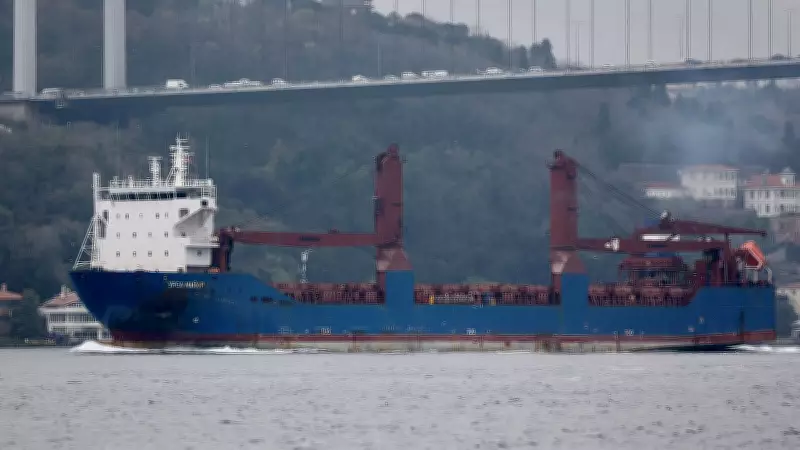
Russian diesel cargoes that were initially destined for Brazil are being diverted to other destinations as global fuel prices surge, according to market sources and shipping data. The rerouting reflects changing trade patterns amid Western sanctions on Russian energy exports and rising demand in alternative markets.
Shift in Trade Flows
Several cargoes of diesel loaded from Russian ports in recent weeks have been redirected away from Brazil, with some now heading to Africa and the Middle East. Traders cited higher prices in these regions as a key factor, as well as logistical adjustments following sanctions imposed by the European Union and the United States.
Brazil had become a significant buyer of Russian diesel after the invasion of Ukraine, as many Western nations reduced purchases. However, the latest price surge has made Brazilian imports less competitive, prompting sellers to seek better margins elsewhere.

Impact on Global Supply
The rerouting comes at a time when global diesel supplies are already tight, with refineries operating at reduced capacity and demand recovering in many economies. The shift could further strain supply in Brazil, which relies on imports to meet domestic consumption.
Data from Vortexa and Kpler show that Russian diesel exports to Brazil fell sharply in recent weeks, while shipments to Turkey, Saudi Arabia, and North African countries increased. This realignment is reshaping the global fuel trade map.
Market Dynamics
Global diesel prices have climbed due to a combination of factors, including OPEC+ production cuts, lower Russian refinery runs, and seasonal demand. The price of diesel in the international market has risen by more than 20% in the past month, making it more profitable for Russian sellers to divert cargoes to higher-paying customers.
Brazilian importers, meanwhile, are seeking alternative supplies from the United States and the Middle East, but those options are also expensive. The situation highlights the complex interplay of sanctions, pricing, and logistics in the global energy market.
Outlook
Analysts expect the trend of rerouting Russian diesel to continue as long as price differentials persist. The shift could lead to higher fuel costs for Brazilian consumers and increased competition for diesel cargoes in other regions. Market participants are closely watching upcoming OPEC+ meetings and potential changes in sanctions policy for further direction.






