South Korea is evaluating a phased approach to participate in the United States-led maritime security initiative in the Strait of Hormuz, a critical waterway for global oil shipments. The move comes as tensions between the US and Iran continue to escalate, threatening the safety of commercial shipping in the region.
Background of the Initiative
The US-led International Maritime Security Construct (IMSC) was established in 2019 to ensure the safe passage of vessels through the Strait of Hormuz and the Persian Gulf. The initiative aims to deter threats from Iran and its proxies, which have been accused of attacking oil tankers and other commercial ships. South Korea, as a major importer of crude oil from the Middle East, relies heavily on the strait for its energy supplies. Approximately 70% of South Korea's oil imports pass through this strategic chokepoint.
South Korea's Deliberations
According to diplomatic sources in Seoul, the South Korean government is considering a phased contribution to the IMSC. This approach would allow Seoul to gradually increase its involvement, starting with intelligence sharing and logistical support, before potentially deploying naval assets. The phased strategy is designed to balance the need to protect national interests with the desire to avoid provoking Iran or escalating regional tensions.

South Korea's Ministry of Foreign Affairs has been in close consultation with the United States and other partner nations to assess the feasibility and risks of participation. The government is also mindful of its economic ties with Iran, which include trade and investment projects. Any decision to join the initiative could strain relations with Tehran.
Strategic Importance of the Strait of Hormuz
The Strait of Hormuz is one of the world's most important oil transit chokepoints, with about 20% of global oil consumption passing through it daily. The strait connects the Persian Gulf with the Gulf of Oman and the Arabian Sea. Any disruption to shipping in this area could have severe consequences for global energy markets and the economies of countries like South Korea that depend on Middle Eastern oil.
Potential Contributions and Timeline
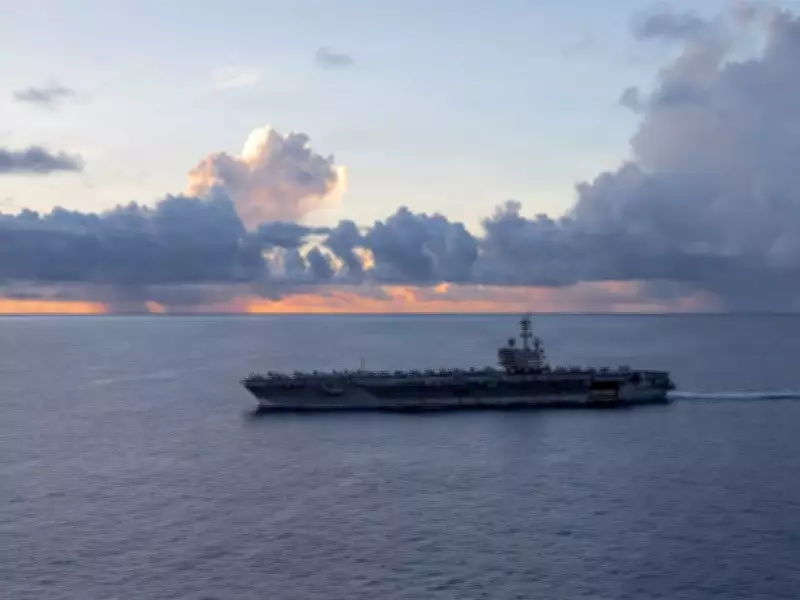
While specific details of South Korea's potential contribution have not been finalized, officials have indicated that the country may deploy a naval destroyer to the region in the coming months. The vessel would participate in patrols and escort missions alongside other international forces. However, the timeline for such a deployment remains uncertain, as Seoul continues to evaluate the security situation and consult with key allies.
South Korea's decision to consider a phased contribution reflects its cautious approach to international security commitments. The country has previously contributed to multinational forces in the Gulf region, including participation in the US-led coalition against the Islamic State group. However, any new deployment to the Strait of Hormuz would require approval from the National Assembly, which could be a contentious issue given the potential risks.
Regional Reactions
The United States has welcomed South Korea's consideration of the initiative, viewing it as a sign of solidarity among allies. US officials have emphasized the importance of collective action to maintain freedom of navigation and deter aggression. Meanwhile, Iran has warned against any foreign military presence in the region, calling it a threat to stability. Tehran has previously threatened to close the Strait of Hormuz if its interests are challenged.
Other countries in the region, including Japan and Australia, have also contributed to the IMSC. Japan, a close ally of South Korea, has deployed naval assets and personnel to support the initiative. South Korea's potential participation would further strengthen the multilateral effort to secure the strategic waterway.

Impact on South Korea's Energy Security
For South Korea, ensuring the safe passage of oil tankers through the Strait of Hormuz is a top priority. The country has limited domestic energy resources and depends heavily on imports to fuel its industrial economy. Any disruption in oil supplies could lead to price spikes and economic instability. By joining the maritime security initiative, Seoul aims to protect its energy lifeline and demonstrate its commitment to international maritime law.
However, the decision also carries risks. Increased military involvement in the region could make South Korea a target for retaliation by Iran or its allies. The government is therefore carefully weighing the costs and benefits of a phased approach that allows for flexibility and adjustment based on evolving circumstances.
Conclusion
South Korea's consideration of a phased contribution to the US-led maritime security initiative in the Strait of Hormuz underscores the country's strategic balancing act between protecting its energy interests and maintaining diplomatic relations with Iran. As the situation in the region continues to develop, Seoul's decision will be closely watched by both allies and adversaries. The phased approach provides a prudent pathway for South Korea to enhance its security presence while minimizing potential backlash.