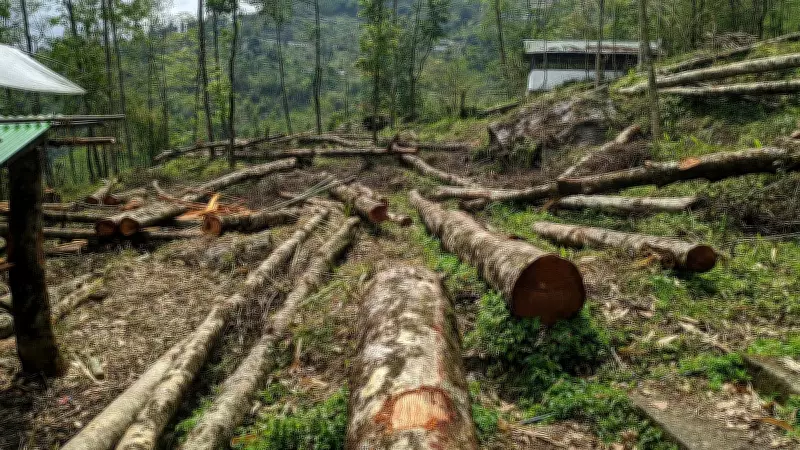
Sandalwood cultivation in Karnataka is witnessing a sharp decline as growers face mounting challenges, including rising thefts and insufficient government backing. Despite initial enthusiasm for the lucrative crop, the number of farmers taking up sandalwood farming has dropped significantly over the past few years.
Rising Thefts Deter Growers
One of the primary reasons for the decline is the increasing incidence of sandalwood tree theft. Organized gangs have been targeting plantations, often stripping trees in broad daylight. Farmers report that the risk of theft outweighs the potential profits, as recovering stolen sandalwood is nearly impossible due to weak law enforcement.
According to officials, the state has recorded hundreds of theft cases annually, with many going unsolved. The lack of stringent security measures and monitoring has emboldened thieves, forcing many growers to abandon their plantations.

Lack of Government Support
Growers also cite a lack of government support as a major hurdle. While sandalwood is a high-value crop, the government has not provided adequate subsidies, insurance, or protective measures for farmers. The complex legal framework surrounding sandalwood ownership and trade further complicates matters, discouraging new entrants.
Karnataka, once a leading producer of sandalwood, has seen its output plummet. Experts warn that without immediate intervention, the state could lose its traditional edge in sandalwood cultivation.
Economic and Ecological Impact
The decline in sandalwood cultivation has economic repercussions for the state, which exports sandalwood oil and products. Ecologically, sandalwood trees play a role in forest ecosystems, and their disappearance could affect biodiversity.
Farmers are calling for a dedicated task force to combat theft, simplified ownership rules, and financial incentives to revive the sector. Until then, the future of sandalwood cultivation in Karnataka remains uncertain.