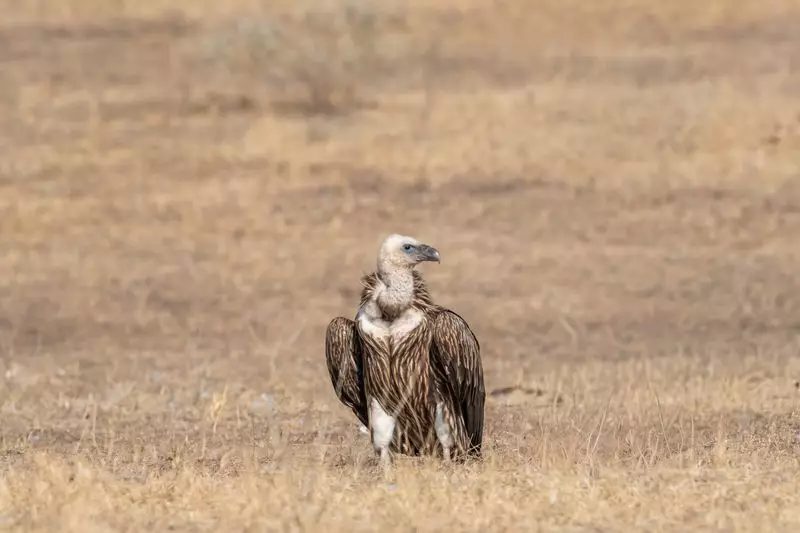
Singapore's Lee Kong Chian Natural History Museum has received two carcasses of Himalayan vultures for a detailed scientific study. This initiative aims to support global conservation efforts for this endangered bird species.
Focus on Endangered Species
The museum will conduct thorough examinations of the vulture remains. Researchers plan to analyze tissue samples, bone structures, and potential contaminants. They hope to uncover critical data about the health and threats facing these birds in their natural habitats.
Conservation Goals
This study forms part of broader international conservation programs. Himalayan vultures face severe risks from habitat loss, poisoning, and human activities. By studying the carcasses, scientists aim to identify specific causes of mortality and develop effective protection strategies.

Museum officials emphasize the importance of such research. They note that every specimen provides valuable insights into the species' biology and ecology. The findings could inform policy decisions and conservation actions across the vultures' range countries.
Scientific Methods
Experts will employ advanced techniques during the examination. These include genetic analysis, toxicology screening, and morphological assessments. The museum collaborates with regional wildlife agencies to ensure comprehensive data collection.
This project highlights Singapore's role in global biodiversity conservation. The museum regularly contributes to international research on endangered species. Their work helps bridge knowledge gaps and promotes collaborative efforts among scientists worldwide.
The Himalayan vulture, classified as endangered, inhabits high-altitude regions across Asia. Conservationists report declining populations due to various anthropogenic pressures. Studies like this one are crucial for reversing the trend and ensuring the species' survival.