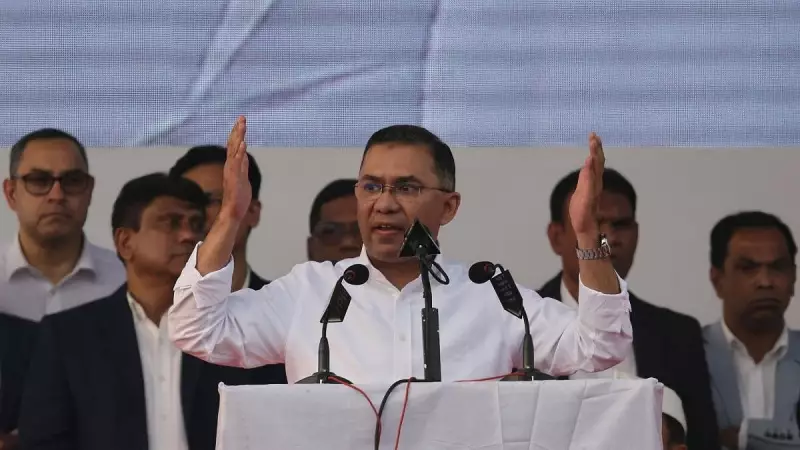
In a significant development for Bangladesh's political landscape, the Bangladesh Nationalist Party (BNP) has appointed Tarique Rahman as its new Chairman. The decision was formally ratified by the party's highest policymaking body, the Standing Committee, during a crucial meeting held on Friday.
Standing Committee Endorses Leadership Change
The appointment marks a pivotal moment for the principal opposition party. According to reports from local media in Bangladesh, the BNP Standing Committee convened and gave its official approval for Rahman to assume the role of Chairman. This move solidifies his position at the helm of the party's leadership structure.
The meeting, which took place on Friday, 10 January 2026, was a key procedural step in confirming the leadership transition. The Standing Committee's endorsement is a critical formality within the party's constitution, granting legitimacy to the new appointment.

Background and Political Context
Tarique Rahman, the senior vice-chairman of the BNP, has long been a central figure in the party. He is the son of BNP's founder and former Prime Minister of Bangladesh, Khaleda Zia. His elevation to the chairmanship comes at a time when the party is navigating a complex political environment.
While the official announcement followed the committee's meeting, Rahman has been acting as the party's de facto leader for several years, particularly during periods when his mother's health and legal challenges limited her active participation. This appointment formalizes his leadership status.
Implications for Bangladesh's Opposition
The formalization of Tarique Rahman's role as BNP Chairman is expected to have far-reaching consequences for Bangladesh's opposition politics. It clarifies the party's command structure and sets the stage for its strategy ahead of future electoral contests.
Analysts suggest this consolidation of leadership could aim to unify the party's ranks and present a cohesive front. The BNP, as a major political force, plays a crucial role in the democratic process of Bangladesh. This leadership decision will likely influence the party's policies, alliances, and its approach in holding the government accountable.
The eyes of the nation's political observers are now on how the newly appointed chairman will steer the Bangladesh Nationalist Party and what new dynamics this will introduce into the country's already vibrant and competitive political arena.