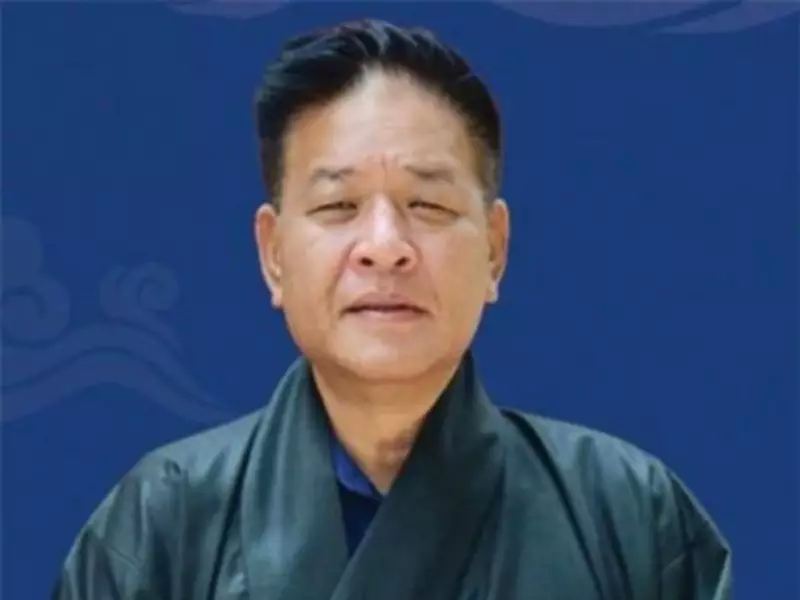
The Tibetan Parliament-in-exile began its new term in Dharamsala on Tuesday, marking a significant step in the exiled government's legislative process. The session saw the approval of six ministers, including Sikyong Penpa Tsering, who continues to lead the administration.
New Term Commences
The opening session was held at the Tibetan Parliament complex in McLeod Ganj, Dharamsala. Lawmakers from various constituencies gathered to participate in the proceedings, which included the swearing-in of newly elected members and the approval of the cabinet.
Ministerial Approvals
The parliament approved six ministers to oversee key portfolios. Sikyong Penpa Tsering, the head of the Tibetan government-in-exile, retained his position. The other ministers include:

- Kalsang Nyima – Minister of Home Affairs
- Tenzin Tethong – Minister of Foreign Affairs
- Lobsang Sangay – Minister of Finance
- Dawa Tsering – Minister of Education
- Tsering Wangchuk – Minister of Health
Each minister brings extensive experience in their respective fields, aiming to address the needs of the Tibetan community in exile.
Political Context
The new term comes at a crucial time for the Tibetan government-in-exile, which continues to advocate for autonomy and the preservation of Tibetan culture. The parliament's approval of the ministers is expected to streamline governance and enhance coordination with international bodies.
In his address, Sikyong Penpa Tsering emphasized the importance of unity and resilience. He called for continued dialogue with China while reaffirming the commitment to non-violence and the pursuit of a negotiated settlement.
Challenges Ahead
The Tibetan administration faces numerous challenges, including limited resources, diplomatic pressures, and the need to sustain the morale of the exiled community. The newly approved ministers will focus on:
- Improving education and healthcare services in exile settlements
- Strengthening diplomatic ties with host countries and international organizations
- Promoting Tibetan language and cultural heritage
- Addressing economic sustainability through vocational training and entrepreneurship
The parliament also discussed plans to enhance digital connectivity and leverage technology for administrative efficiency.
Reactions
The approval of ministers was met with cautious optimism among Tibetan exiles. Many expressed hope that the new term would bring tangible improvements in their daily lives. International observers noted that the smooth transition reflects the democratic processes within the Tibetan community.
The session concluded with a commitment to regular parliamentary oversight and accountability. The next session is scheduled for later this year to review progress on key initiatives.