

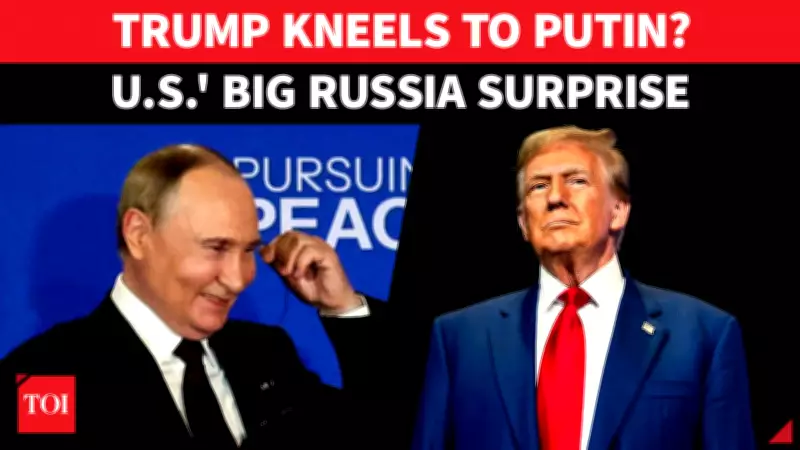
The Trump administration has removed 11 individuals and two oil tankers from the United States sanctions list related to Russia, according to an announcement by the U.S. Treasury Department. This delisting includes former Russian lawmakers and other public figures, as well as the tankers LINDA and LADY D, which were previously subject to sanctions restrictions.
Rationale Behind the Delisting
Washington has stated that this move is part of a broader effort to clean up outdated sanctions entries. Many of the removed individuals are deceased, and the tankers have been decommissioned. The Treasury Department emphasized that this action is administrative in nature, aimed at ensuring the sanctions list remains accurate and up to date.
New License for Russian Oil Transactions
Separately, the Treasury issued a new license that permits certain transactions involving Russian oil that was loaded onto vessels before April 17. This license applies under specific conditions, allowing some energy trades to proceed despite ongoing restrictions. The move is seen as an attempt to stabilize energy markets while maintaining pressure on Russia in other areas.

Global Energy Market Context
The developments come at a time when global energy markets are under significant strain. Escalating tensions in the Middle East, particularly around the Strait of Hormuz, have raised concerns about supply disruptions. The Strait of Hormuz is a critical chokepoint for global oil shipments, and continued military activity in the region has added to market volatility.
Iran has been involved in recent confrontations, including the shooting down of a U.S. drone near Bushehr and missile attacks on specified targets. These incidents have heightened fears of a broader conflict that could disrupt oil flows from the Persian Gulf. In response, the Trump administration has taken a series of actions, including the sanctions cleanup and new licensing, to manage the economic fallout.
Reactions and Implications
The delisting has drawn mixed reactions. Some analysts view it as a pragmatic step to remove obsolete entries and ease energy market pressures. Critics, however, argue that it could be seen as a concession to Russia, especially given the ongoing war in Ukraine. The new oil license is also controversial, as it may allow some revenue to flow to Moscow despite Western efforts to isolate the Russian economy.
As the situation evolves, the Trump administration continues to balance its foreign policy objectives with the need to maintain stable energy supplies. The coming weeks will likely see further developments, both in the sanctions regime and in the broader geopolitical landscape.






