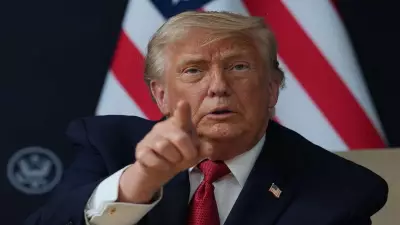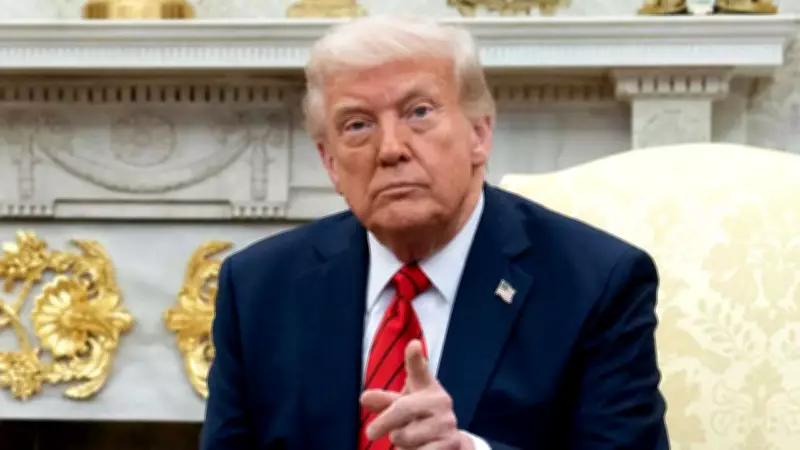
The US-Iran conflict has entered a critical phase as military escalation, diplomatic breakdowns, and rising tensions in the Strait of Hormuz continue to dominate global attention. US President Donald Trump rejected Iran’s latest ceasefire response sent through Pakistani mediators, calling it “TOTALLY UNACCEPTABLE!” while warning that Washington could resume major military action if negotiations collapse. Iran had sought a broader regional settlement, including an end to fighting in Lebanon and guarantees on maritime security, but the latest diplomatic efforts appear to have stalled.
Strait of Hormuz at the Center of Crisis
The Strait of Hormuz remains at the centre of the crisis, with repeated reports of drone attacks, ship fires, and security threats affecting one of the world’s most important energy corridors. Iran sharply criticised a US-backed resolution on the Strait of Hormuz crisis at the United Nations, describing it as “politically motivated” and warning member states against supporting it. Tehran says the only real solution is ending the war, removing blockades, and restoring normal maritime transit.
Drone Attacks and Maritime Incidents
Several incidents involving drones and commercial ships have raised fears of a wider Gulf conflict. A drone attack caused a small fire aboard a vessel near Qatar, while the United Arab Emirates intercepted two drones that entered its airspace, blaming Iran for the intrusion. Kuwait also reported unidentified drones. In another incident, a South Korean-operated vessel anchored in the Strait of Hormuz was struck by two unidentified objects, causing an explosion and fire. Maritime security agencies are investigating whether these attacks are linked to the broader Iran-US-Israel conflict.

Israel Intensifies Lebanon Strikes
Israel has simultaneously expanded military operations in southern Lebanon, targeting positions allegedly linked to Hezbollah. Israeli warplanes launched fresh strikes across southern Lebanon, targeting weapons storage facilities and command centres. Lebanon’s National News Agency reported casualties, including the death of a young girl. Hezbollah claimed it has responded with more than 20 retaliatory attacks on Israeli military positions, despite ongoing ceasefire discussions. The escalation raises concerns that the conflict could expand further beyond Gaza and Iran into a larger regional confrontation.
Nuclear Programme Remains Sticking Point
Iran’s nuclear programme remains one of the biggest obstacles in negotiations. The International Atomic Energy Agency says Iran has accumulated more than 440 kilograms of highly enriched uranium nearing weapons-grade purity. Israeli Prime Minister Benjamin Netanyahu said the war cannot truly end unless Iran’s enriched uranium is removed from the country. Iranian military officials said the country’s armed forces are on “full readiness” to protect nuclear facilities and uranium storage sites, fearing possible US or Israeli attacks. Russian President Vladimir Putin renewed Moscow’s proposal to relocate Iran’s enriched uranium as part of a negotiated settlement.
Global Powers Step Deeper into Crisis
Global powers have also stepped deeper into the crisis. Russian President Vladimir Putin said Moscow’s proposal to relocate Iran’s enriched uranium remains available, while France and Britain are discussing maritime security initiatives for the Gulf once hostilities ease. French President Emmanuel Macron said any future maritime security mission in the Gulf would not amount to a military deployment. Iran has warned that any foreign military involvement in the Strait of Hormuz would face a strong response.
Economic and Geopolitical Consequences
The continuing confrontation has shaken global markets, pushed up oil prices, and disrupted shipping operations in the Gulf region. Concerns are growing that any further escalation involving Iran, Israel, and the United States could trigger a wider regional conflict with serious economic and geopolitical consequences. Shipping companies and oil markets remain on edge as fears grow over possible disruptions to global energy supplies through the Gulf.